Understanding Wedding Bands
Wedding bands are more than just a piece of jewelry; they symbolize love and commitment between partners. As couples embark on their journey together, understanding the significance, history, and variety of wedding bands can help them make informed choices. Whether you’re searching for more information or ready to explore options, dive into the world of wedding bands with us.
History of Wedding Bands
Tracing back thousands of years, wedding bands have evolved into a meaningful tradition. Ancient Egyptians were among the first to use rings as symbols of love. They believed the circular shape represented eternity, with no beginning or end. Later, the Romans adopted this custom, viewing the wedding band as a symbol of ownership and fidelity. While the perceptions have shifted over the centuries, wedding bands have maintained their core essence: a symbol of love and commitment.
Cultural Significance of Wedding Bands
Across various cultures, the wedding band holds unique significance. In Western cultures, it is worn on the fourth finger, termed the “ring finger,” believed to have a direct vein leading to the heart. In contrast, some Eastern traditions, such as Indian culture, incorporate intricate designs and embellishments, symbolizing marital status and cultural heritage. By embracing these differences, couples can choose wedding bands that resonate with their values and traditions.
Different Materials Used for Wedding Bands
The material of a wedding band plays a crucial role in its durability and aesthetic appeal. Here are some common materials:
- Gold: Available in various hues, such as yellow, white, and rose, gold remains a popular choice due to its classic elegance.
- Platinum: Known for its strength and hypoallergenic properties, platinum is ideal for those with sensitive skin.
- Tungsten: This modern material is exceptionally durable and scratch-resistant, making it a favorite for those leading active lifestyles.
- Palladium: Similar to platinum but lighter and more affordable, it offers an appealing contemporary option.
- Alternative metals: Materials like titanium and stainless steel offer unique styles and significant durability, particularly popular among non-traditional couples.
Choosing the Right Style
With countless styles available, selecting the right wedding band can feel overwhelming. Understanding popular styles, how to match them with engagement rings, and the possibilities for personalization can provide clarity in your choice.
Popular Wedding Band Styles
Wedding bands come in various styles catering to different tastes. Some popular trends include:
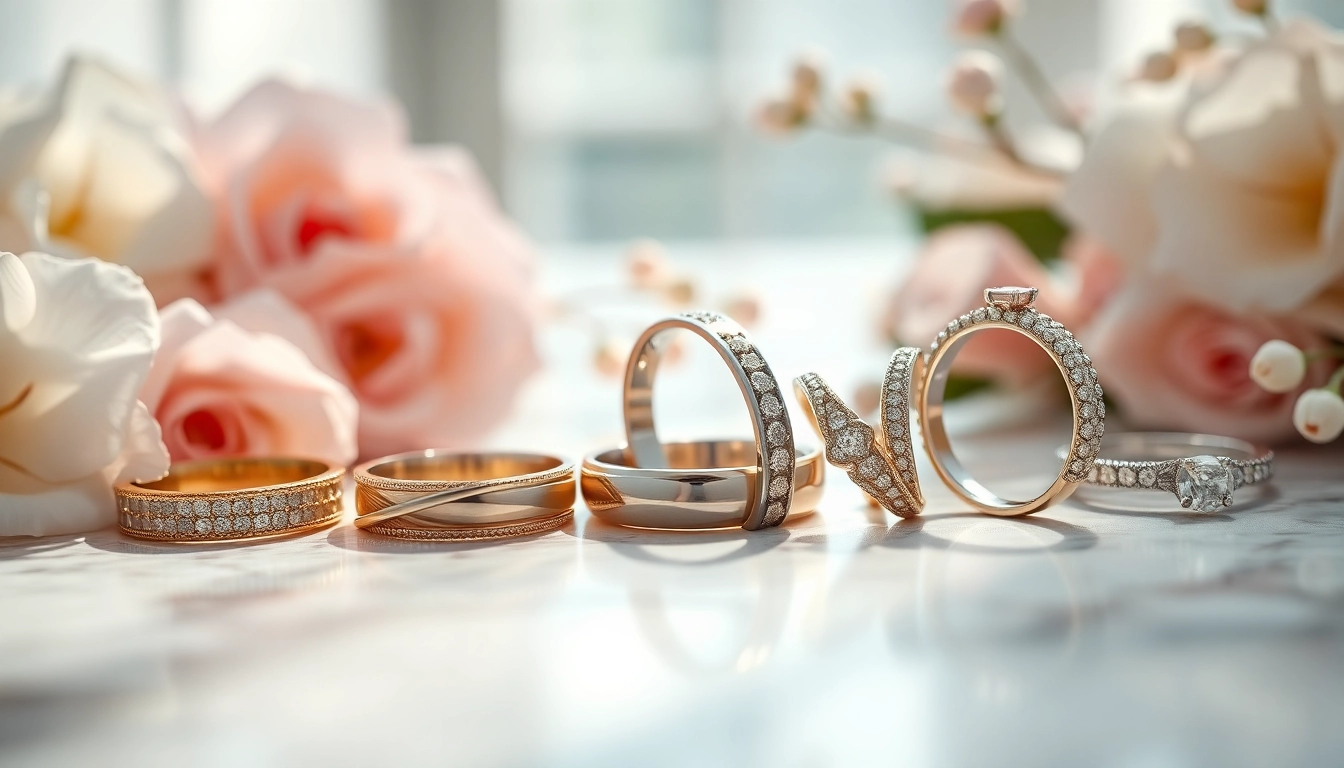
- Classic bands: Simple, timeless settings without embellishments.
- Infinity bands: Featuring a symbol of infinity, representing eternal love.
- Stackable bands: Designed to be worn in layers, allowing for creativity and personalization.
- Textured bands: Incorporating patterns or finishes such as hammered or brushed for added visual interest.
- Gemstone accents: Bands that feature small stones or diamonds for a touch of sparkle.
Matching Wedding Bands with Engagement Rings
Finding the perfect wedding band that complements the engagement ring enhances the overall aesthetic. Couples can opt for matching metals, similar designs, or contrasting styles for a beautifully unique look. Complementing features, such as gemstone shapes or band widths, ensure that the rings work harmoniously together. Visiting a jeweler can also provide invaluable insights on effective pairings.
Personalizing Your Wedding Bands
Personalization elevates the significance of wedding bands. Couples may consider engraving initials, meaningful dates, or messages inside the band for a personal touch. Others choose custom designs that reflect their personalities and relationship journey, like intertwining patterns or meaningful symbols. This uniqueness not only enhances the emotional connection but also creates a distinguished piece that holds lasting memories.
Making a Smart Purchase
Purchasing wedding bands involves careful financial planning, understanding where to buy, and knowing retail markup practices. Below are tips to help ensure you make a wise decision.
Budgeting for Wedding Bands
The cost of wedding bands can vary significantly based on material, design, and brand. Couples should set a realistic budget that accounts for both rings while considering potential additional costs, such as engraving or resizing. It is often recommended that couples spend 2-3% of their total wedding budget on wedding bands, but individual preferences heavily influence this decision.
Where to Buy Wedding Bands
When shopping for wedding bands, several options are available, including local jewelers, large retail chains, and online marketplaces. Shopping local allows you to engage directly with jewelers who can offer individualized advice and adjustments. On the other hand, online shopping may provide a broader range of styles and sometimes lower prices. Regardless of where you purchase, make sure that the seller offers a warranty and reputable return policy.
Understanding Retail Markup on Wedding Bands
Retail markup can significantly impact the price of wedding bands. Typically, retailers apply a markup of 100-300% over the cost of materials and craftsmanship, which can inflate prices considerably. Awareness of this practice can empower couples to negotiate better prices or seek options that align with their budget. Researching average prices of similar styles can also offer leverage when discussing costs with retailers.
Caring for Your Wedding Bands
Once you’ve purchased your wedding bands, maintaining their beauty and integrity is essential. Follow these tips to ensure they remain in top condition over the years.
Cleaning and Maintenance Tips
Regular maintenance keeps your wedding bands looking their best. Cleaning methods vary by material but some universal tips include:
- Soak your rings in warm, soapy water for a few minutes.
- Use a soft brush to remove dirt build-up, particularly around settings.
- Rinse thoroughly under warm water and dry with a soft, lint-free cloth.
Regular professional cleanings can also extend the life of your bands, particularly for more intricate styles.
When to Seek Professional Help
Knowing when to consult a professional can save you from costly repairs. Seek professional help for repairs such as resizing, fixing loose stones, or deep cleaning. When you notice any signs of wear—scratches, dullness, or weak settings—visiting a jeweler ensures your precious rings remain intact and secure.
How to Protect Wedding Bands from Damage
Protecting your wedding bands involves being mindful of activities that may cause stress or damage. Remove your rings during activities like gym workouts, cleaning with harsh chemicals, or gardening. Storing your bands individually in a fabric-lined box can also prevent scratches and tangles when not in use. Investing in a ring dish or a designated spot for your rings can also help promote good habits.
FAQs about Wedding Bands
What materials are best for wedding bands?
The best materials for wedding bands depend on personal preference, durability needs, and budget. Popular options include gold, platinum, tungsten, and alternative metals. Each material has its unique advantages, allowing couples to choose what resonates with their lifestyle and style.
How can I choose a wedding band that complements my engagement ring?
Choosing a wedding band that complements your engagement ring involves considering matching metals, shapes, and styles. Consult a jeweler for advice on pairing designs and ensuring that the overall aesthetic flows well, creating a cohesive look.
What is the average cost of wedding bands?
The average cost of wedding bands can range widely based on materials and design but typically falls between $500 to $2000 per band. Couples should consider their budget and shop around for options that offer great value for their preferences.
How do I determine my wedding band size?
To determine your wedding band size, measure your finger at the end of the day when it is warm, as fingers can swell. Most jewelers offer free sizing services which can help ensure an accurate fit for comfort over time.
Can I customize my wedding band?
Yes, many jewelers offer customization options for wedding bands. This may include engraving, custom designs, or unique materials. Personalizing a wedding band enhances its sentimental value and makes it unique to the couple.