
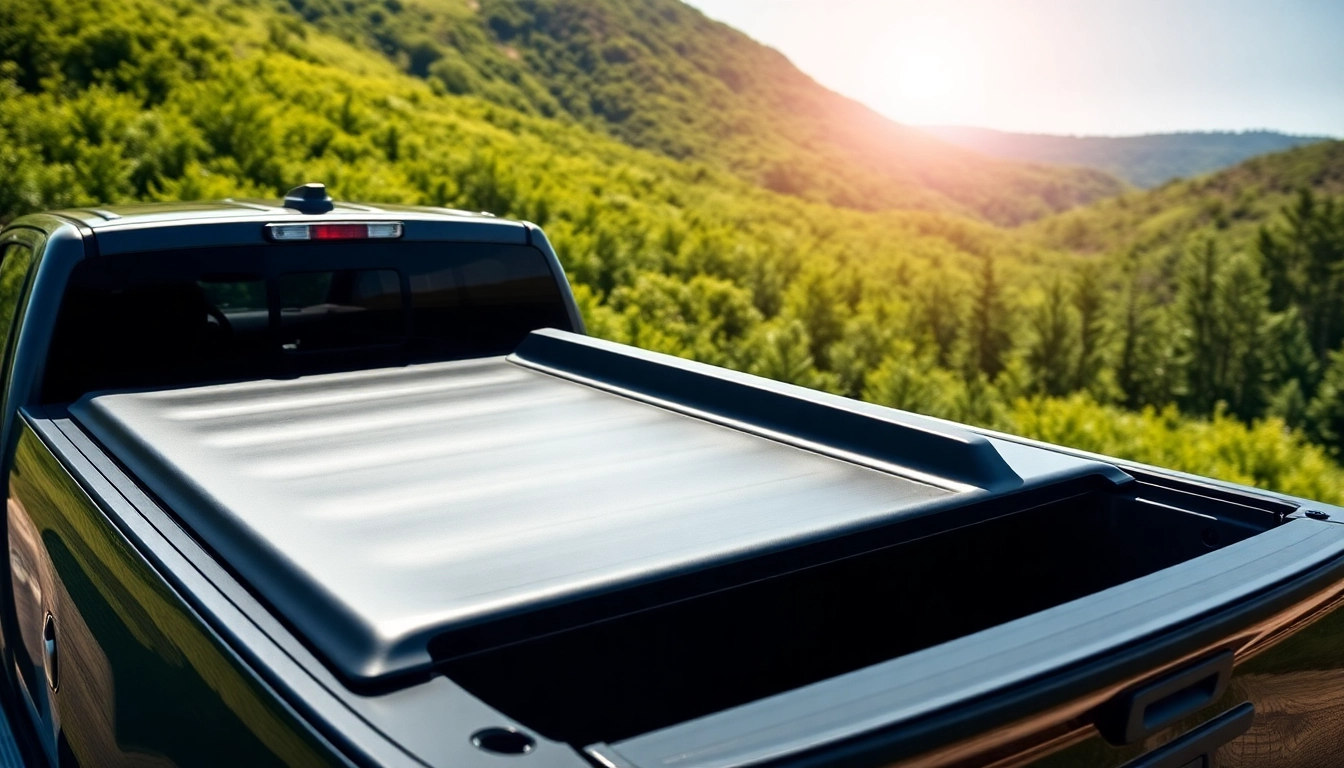
Introduction to Tonneau Cover
In the world of pickup trucks, a tonneau cover is an indispensable accessory for any truck owner. These versatile covers not only enhance the aesthetic appeal of your vehicle but also serve a multitude of practical purposes. From protecting your cargo to improving fuel efficiency, tonneau covers have a lot to offer. This article aims to delve deep into the various aspects of tonneau covers, including their types, benefits, selection criteria, installation, maintenance, and much more.
What is a Tonneau Cover?
A tonneau cover is a protective covering designed to shield the open bed of a truck. Made from a variety of materials, including vinyl, aluminum, and fiberglass, tonneau covers come in various styles and designs tailored to meet different needs. Whether you are looking to guard your tools against the elements, secure valuables from potential theft, or improve aerodynamics for better fuel mileage, a tonneau cover can be a perfect solution.
Types of Tonneau Cover
Tonneau covers come in several distinct types, each engineered to meet specific preferences and operational needs:
- Soft Roll-Up Covers: These covers are made from vinyl or canvas and can be easily rolled up to provide full access to the truck bed. Despite offering less security than their hard counterparts, they provide adequate protection against the weather.
- Hard Folding Covers: Constructed from durable materials like aluminum, these covers offer enhanced security. They typically fold in sections, allowing partial access to the bed while keeping the rest covered.
- Retractable Covers: These allow for easy access and are highly convenient as they can be opened or closed with minimal effort. They slide into a canister mounted at the front of the truck bed.
- Snap Covers: Often made from vinyl, these covers require snaps or clamps to secure them. They are easy to install but might be less durable than other options.
- Hard Top Covers: These are rigid and offer maximum protection against both weather and theft. Often styled to match the truck’s aesthetics, they can significantly improve the vehicle’s appearance.
Benefits of Using a Tonneau Cover
The advantages of using a tonneau cover are numerous, making it a valuable addition to any pickup truck:
- Weather Protection: A tonneau cover helps shield your cargo from rain, snow, and other meteorological elements. This keeps your belongings dry and intact.
- Enhanced Security: Lockable tonneau covers add an extra layer of security, deterring thieves from attempting to access your cargo.
- Improved Fuel Efficiency: By reducing aerodynamic drag, a tonneau cover can contribute to better fuel economy, especially during highway driving.
- Increased Versatility: Many tonneau covers offer features like load bars or mounts for securing additional accessories, thereby enhancing the functionality of your truck bed.
- Better Organization: Tonneau covers allow you to cover tools, sports equipment, or any cargo, maintaining order in your truck bed without exposing what’s inside.
How to Choose the Right Tonneau Cover
Choosing the right tonneau cover is essential to maximize its benefits and functionality. Here are key factors to consider when making your selection:
Consider Your Truck Type
Different trucks may have specific requirements for tonneau covers, so it’s crucial to know your truck’s make and model before purchasing. Ensure that the chosen cover fits properly over your truck bed, as improper fitting can lead to water leaks and reduced security. Additionally, consider the truck bed’s style (e.g., long bed or short bed) and side rails.
Evaluate Your Storage Needs
Your storage requirements will play a significant role in the type of tonneau cover you should choose. If you frequently carry large equipment or tools, a hard top or multistage folding cover may be ideal as they offer robust protection. For lighter, everyday transportation, a roll-up or snap cover might suffice. It’s essential to assess what you will be storing and how accessible you need it to be.
Assess Weather Resistance Features
Weather resistance is a vital aspect to consider when selecting a tonneau cover. Look for covers that have been tested for durability and can withstand harsh conditions. Features like sealed edges and built-in gaskets can provide extra protection against rain and snow. Investing in a cover with high weather resistance will prolong the lifespan of your cover and protect your cargo effectively.
Installation Guide for Tonneau Cover
Installing a tonneau cover can be a straightforward process if you follow the correct steps. Below is a comprehensive installation guide:
Pre-installation Checklist
- Tools Needed: Gather all the required tools, which might include a drill, screwdriver, measuring tape, and clamps (depending on the cover type).
- Verify Fit: Ensure that the tonneau cover is compatible with your specific truck make and model.
- Read Instructions: Always consult the manufacturer’s instruction manual for specific guidelines before beginning the installation.
Step-by-step Installation Process
- Prepare the Truck Bed: Clean the truck bed thoroughly to remove dirt and debris.
- Position the Cover: Place the tonneau cover on the truck bed, aligning it according to the instructions.
- Attach the Brackets: Install any necessary brackets or mounting hardware as per the manual, ensuring everything is secure.
- Connect the Cover: Attach the cover to the brackets and ensure it’s evenly mounted on both sides.
- Secure Your Cover: Follow up with tightening bolts or clamps as needed. Verify all attachments and ensure the cover opens and closes smoothly.
Common Installation Mistakes to Avoid
- Ignoring Instructions: Failing to read the installation manual can lead to improper fitting and function.
- Inadequate Testing: Always test the cover after installation to ensure it opens, closes, and locks properly.
- Over-tightening: While securing bolts or clamps, exerting too much force can damage components.

Maintenance Tips for Tonneau Cover
Regular maintenance ensures the durability and performance of your tonneau cover. Here are some maintenance tips:
Regular Cleaning Techniques
To keep your tonneau cover looking and functioning great, regular cleaning is essential. Use a mild detergent mixed with water for cleaning surfaces. Avoid harsh chemicals that could damage the material. For hard covers, a non-abrasive cleaner can help maintain the finish.
Inspecting for Wear and Tear
Periodically inspect your tonneau cover for signs of wear, such as fraying edges, cracked materials, or faulty locks. Catching deterioration early on can save you from more significant repair costs in the future.
Longevity Best Practices
To extend the lifespan of your tonneau cover, store it in a climate-controlled space when not in use and avoid loading sharp or heavy objects directly against the cover. For soft covers, consider investing in a protective cover to shield it from UV rays and harsh elements.
FAQs about Tonneau Cover
What materials are tonneau covers made from?
Tonneau covers are typically made from vinyl, fiberglass, plastic, or aluminum. Each material has its benefits, with vinyl being lightweight and aluminum offering superior security.
Can I install a tonneau cover myself?
Yes, many tonneau covers are designed for easy installation and can be set up with basic tools, usually taking less than an hour.
How do I secure cargo under a tonneau cover?
To secure cargo, always use straps or nets to tie down items. Choose a tonneau cover with locking features for added security against theft.
What is the average cost of a tonneau cover?
The cost of a tonneau cover can vary widely based on material and style, typically ranging from $200 to $1,500.
Will a tonneau cover improve my truck’s fuel efficiency?
Yes, a tonneau cover can improve fuel efficiency by reducing drag, leading to better gas mileage, particularly on highways.