Understanding the Image to Prompt Generator
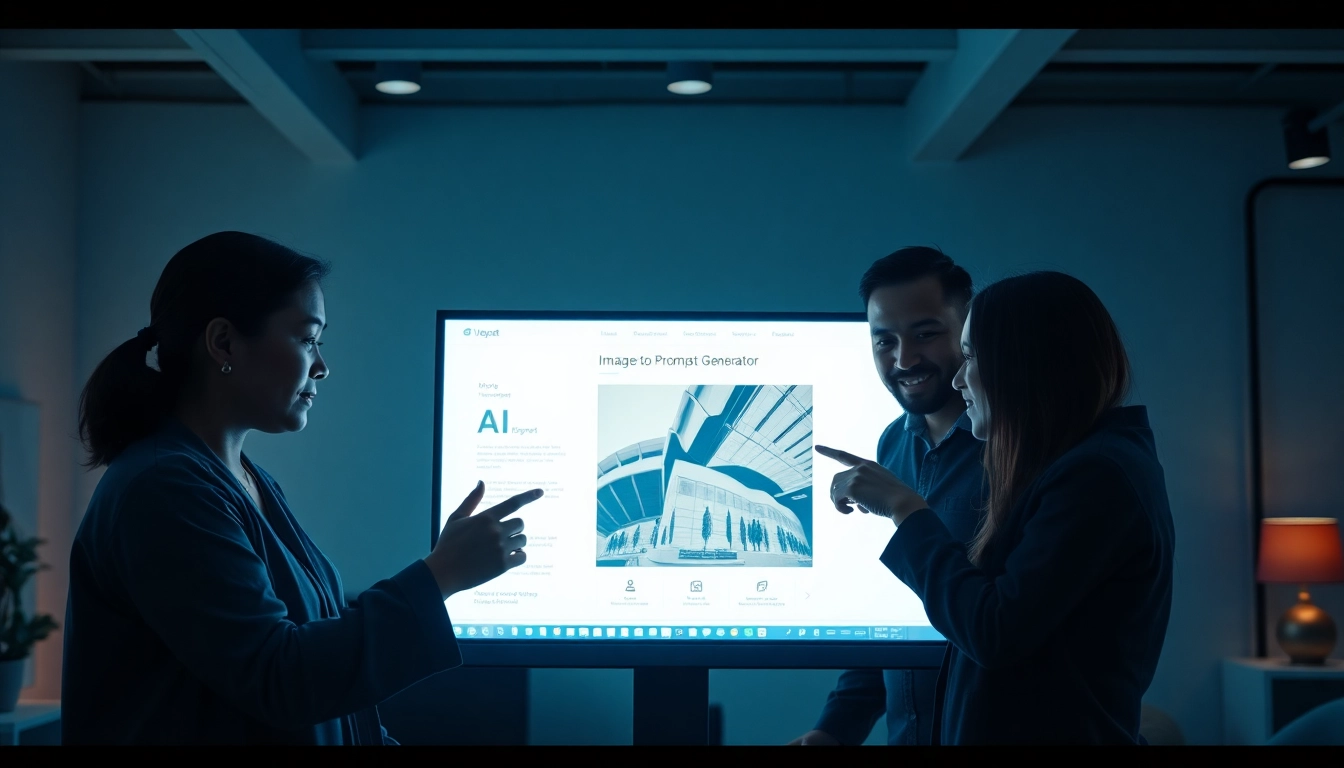
The advent of artificial intelligence has transformed numerous industries, and one of the most fascinating advancements is the image to prompt generator. This cutting-edge tool bridges the gap between visual content and textual descriptions, allowing users to convert static images into detailed text prompts usable in AI-driven platforms. By harnessing the power of computer vision and natural language processing, an image to prompt generator empowers creators, designers, and marketers to generate unique and tailored prompts that can fuel creativity and innovation.
What is an Image to Prompt Generator?
An image to prompt generator is an AI-driven tool designed to analyze images and convert them into rich, structured, textual prompts. These prompts capture essential elements such as the subject, environment, style, lighting, and mood displayed within the image. The resulting descriptions can be utilized across various AI image generation platforms, including Midjourney, DALL·E, Stable Diffusion, and Gemini. This capability not only helps users communicate their vision more effectively but also enhances the quality of AI-generated images.
How Does the Tool Work?
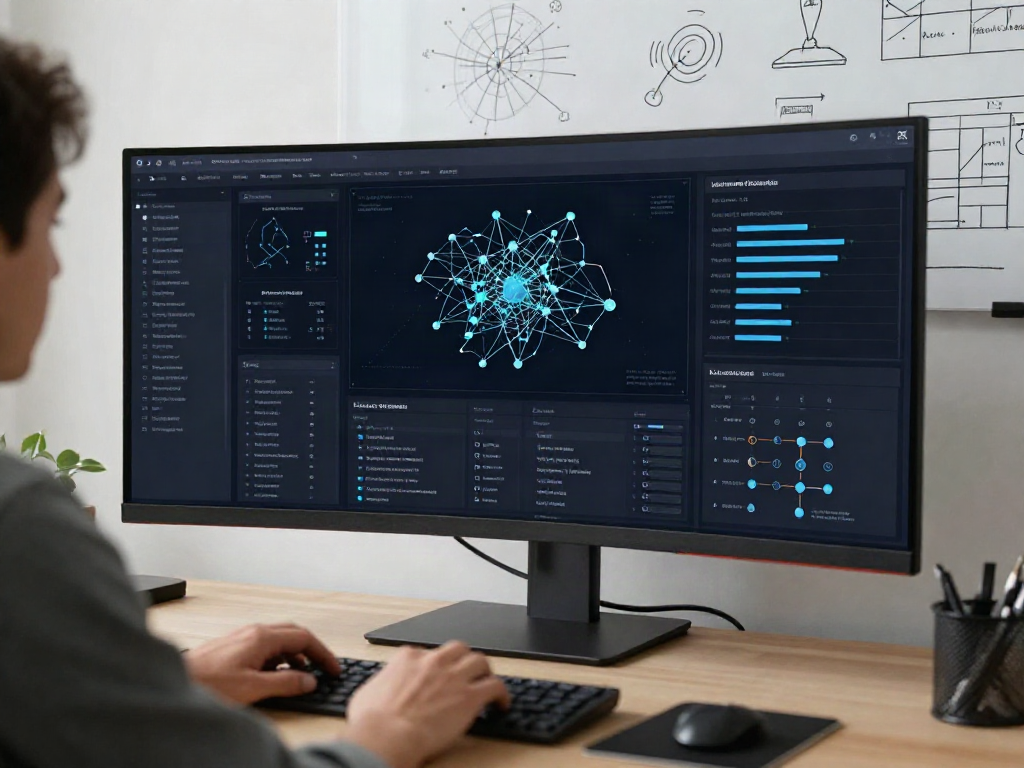
At its core, an image to prompt generator employs advanced machine learning techniques to interpret the visual elements of an image. The process involves several key steps:
- Image Analysis: The tool first examines the visual content of the uploaded image, identifying focal points, colors, shapes, and compositions.
- Feature Extraction: Key features are extracted, such as the main subjects, background details, and any notable styles or techniques present in the image.
- Prompt Generation: Using this data, the AI formulates a structured text prompt that encapsulates the essence of the image, providing nuanced descriptions that can be read and interpreted by other AI systems.
This systematic approach ensures that the generated prompts are not only accurate but also rich in detail, maximizing the potential of AI image generation tools.
Benefits of Using an Image to Prompt Generator
The benefits of utilizing an image to prompt generator are numerous:
- Enhanced Creativity: By generating high-quality prompts, users can explore creative directions and ideas that may not have been previously considered.
- Time Efficiency: The generator significantly reduces the time spent on writing descriptive prompts manually, allowing artists and designers to focus on their core tasks.
- Accessibility: The technology is designed to be user-friendly, democratizing access to advanced image generation techniques for users of all skill levels.
- Versatility: The tool supports various AI models, catering to different styles and requirements based on the selected platform.
How to Use the Image to Prompt Generator Effectively
Step-by-Step Guide to Uploading Images
Using the image to prompt generator is a straightforward process:
- Upload an Image: Users can easily drag and drop their images (PNG, JPG, or WEBP formats, up to 4MB) into the designated area.
- Generate Prompt: After uploading, simply click the "Generate Prompt" button to initiate the analysis.
- Review and Customize: Once the prompt is generated, you can customize and refine the description as needed.
This intuitive process ensures that users can quickly transition from image to prompt without any technical hurdles.
Choosing the Right AI Model for Your Needs
Different AI models have unique requirements and strengths, so selecting the right one is crucial:
- Midjourney: Ideal for artistic and stylized images, Midjourney emphasizes creative interpretations and can yield highly imaginative results.
- Stable Diffusion: This model focuses on generating images with a high level of detail, making it suitable for intricate designs and realistic renditions.
- Flux and Gemini: Both are excellent choices for users looking for specific features or effects, providing flexibility in prompt generation.
By aligning your image prompts with the capabilities of these models, you can maximize the effectiveness of your AI-generated artworks.
Refining Generated Prompts for Better Results
After generating a prompt, taking the time to refine it can lead to even better outcomes. Consider the following tips:
- Be Specific: Add details that might not be captured in the initial analysis to clarify your vision.
- Adjust Tone and Style: Modify the language used to fit the intended mood of your project, whether it’s whimsical, dramatic, or realistic.
- Experiment: Don’t hesitate to generate multiple prompts and compare results, allowing for exploration of different creative avenues.
Real-World Applications of Image to Prompt Generators
Creative Industries: Art and Design
In the art and design sectors, an image to prompt generator serves as a powerful tool for artists seeking inspiration or a starting point for their work. By converting existing artwork into detailed prompts, creators can brainstorm new concepts or reimagine past creations in novel ways. This capability broadens the horizons of artistic exploration, enabling designers to craft visually stunning pieces that resonate with audiences.
Marketing and Advertising Strategies
Businesses in marketing and advertising can leverage the image to prompt generator to create compelling visuals that effectively communicate their brand message. Marketers can convert product images into engaging prompts that inspire campaigns or social media content. Additionally, using AI-generated prompts helps ensure that visual assets align with overall branding strategies, enhancing consistency across marketing materials.
Educational Uses in Learning Environments
In educational settings, image to prompt generators can facilitate creative learning. Teachers can use AI-generated prompts to encourage students to engage in visual analysis, critical thinking, and storytelling. By integrating these tools, educators can foster creativity and enhance comprehension in subjects such as art, literature, and media studies.
Common Challenges and Misconceptions
Understanding AI Limitations in Prompt Generation
While image to prompt generators are powerful and innovative, users should be aware of their limitations. AI technology is not infallible; it may misinterpret complex images or overlook subtleties that could inform the prompts. Understanding these boundaries allows users to approach the generated prompts with realistic expectations, enabling them to fine-tune and enhance the descriptions effectively.
Addressing Quality Differences Across Platforms
Users may notice variations in the prompt quality when using different AI models. Each platform has unique algorithms and training data that influence its output. It’s beneficial to experiment with various platforms to determine which model suits specific needs and produces the best results for the desired creative outcomes.
Myth-Busting: Is It Truly Free to Use?
One common misconception is that all image to prompt generators require payment or subscription plans. While many tools do provide free access, users should carefully review the terms of service and any limitations that may apply. Understanding what is free and what requires payment helps ensure that users are aware of all options available for prompt generation.
Future Trends in AI Prompt Generation
What to Expect from Image to Prompt Generators in 2026
As technology continues to evolve, we can anticipate significant advancements in the capabilities of image to prompt generators by 2026. Improvements in AI algorithms will likely lead to more nuanced understanding of images, enhancing the quality and specificity of generated prompts. This evolution will empower users to achieve even greater creative expression and experimentation with AI-generated visuals.
The Impact of Emerging AI Technologies
Emerging AI technologies, such as neural networks and deep learning, will play a pivotal role in refining prompt generation tools. These advancements could enable image analysis that encompasses more abstract concepts, leading to prompts that support complex narratives or styles. The continued integration of AI into creative processes will foster innovation across multiple domains.
How to Stay Ahead in AI-Driven Creativity
Staying ahead in the evolving landscape of AI-driven creativity involves continuous learning and adaptation. Users should keep abreast of the latest trends, tools, and techniques in AI art generation. Engaging with communities and forums can provide insights into emerging practices and innovations. Regularly experimenting with different image to prompt generators can also enhance skill sets and foster unique creative approaches.