Introduction to Construction Advocacy
Definition and Purpose
Construction advocacy refers to the organized efforts aimed at influencing and shaping policies, practices, and perceptions within the construction industry. This form of advocacy plays a critical role in addressing the challenges facing the sector, such as safety, efficiency, and sustainability. By bringing together various stakeholders, construction advocacy seeks to promote a holistic approach to development, emphasizing the importance of community engagement and collaboration. The primary purpose of construction advocacy is to create a constructive dialogue among all parties involved in the industry, ensuring that the needs and concerns of communities, labor forces, and businesses are effectively addressed.
Importance in the Construction Industry
The construction industry is multifaceted and significantly impacts local economies and community development. Construction advocacy is crucial in fostering safe, sustainable, and resilient infrastructure. It emphasizes the necessity for strategic planning and resource allocation while ensuring that construction activities align with broader community goals. In essence, construction advocacy not only enhances project outcomes but also elevates the standard of living for residents by addressing their needs and expectations.
Key Stakeholders Involved
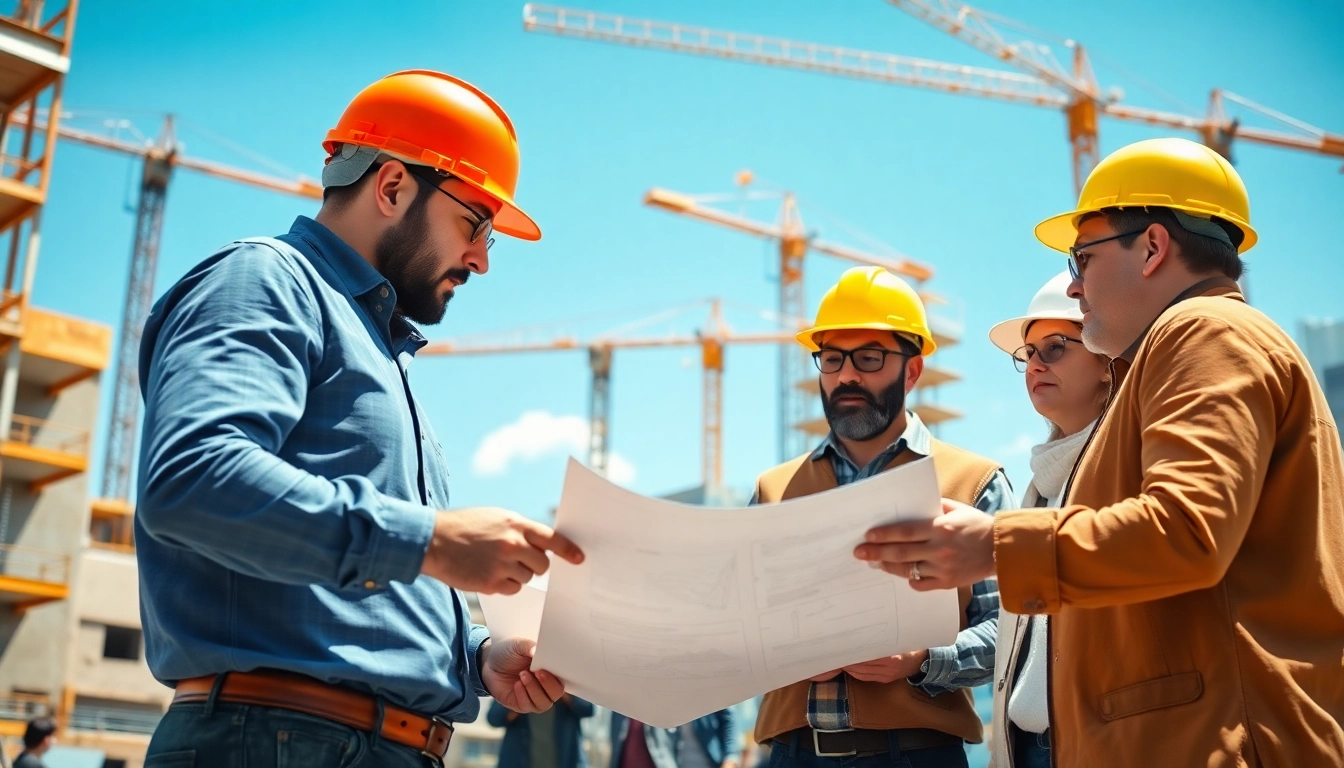
Multiple stakeholders play vital roles in construction advocacy, including:
- Government Agencies: Local, state, and federal bodies that regulate the construction industry and set standards.
- Construction Firms: Businesses that execute construction projects, often advocating for efficient, cost-effective methods.
- Labor Unions: Organizations that represent the workforce, ensuring fair wages and safe working conditions.
- Community Groups: Local organizations that focus on the impact of construction on the community and advocate for resident interests.
- Environmental Organizations: Entities that work to protect natural resources and advocate for sustainable construction practices.
The Benefits of Construction Advocacy
Enhancing Community Development
Effective construction advocacy leads to enhanced community development by ensuring that construction projects meet the needs of residents. When stakeholders collaboratively engage in planning, the outcomes are more likely to reflect the values and aspirations of the community. Additionally, successful construction advocacy can result in projects that improve local infrastructure, thereby attracting businesses and creating jobs. Examples of such initiatives include community-driven development projects aimed at improving public spaces, parks, and transportation systems.
Promoting Safety and Standards
Construction advocacy plays a crucial role in promoting safety standards across the industry. By lobbying for stricter safety regulations and more comprehensive training programs, advocates contribute to a decrease in workplace accidents and injuries. These efforts are especially pertinent given that the construction sector often involves hazardous conditions. Raising awareness and providing educational resources, construction advocacy initiatives empower workers to prioritize safety and adhere to best practices.
Encouraging Sustainable Practices
Construction advocacy supports the transition towards sustainable building practices by influencing legislative frameworks and encouraging the adoption of green technologies. Advocacy groups can promote sustainable materials, energy efficiency, and waste reduction strategies, leading to environmentally friendly construction projects. Furthermore, these efforts help mitigate climate change impacts and foster a healthier built environment for future generations.
Challenges Faced in Construction Advocacy
Regulatory Hurdles
One of the significant challenges in construction advocacy is navigating the complex regulatory landscape. Different zones may have varying codes and regulations, making it difficult for advocacy groups to push for unified standards. These regulatory hurdles can stifle innovation, as stakeholders may fear the repercussions of noncompliance, leading to a reluctance to adopt new practices. Solutions include working closely with regulatory agencies to clarify guidelines and advocating for streamlined processes that accommodate innovative construction methods.
Funding and Resource Limitations
Many construction advocacy initiatives struggle with securing adequate funding and resources. Limited budgets can hinder the ability to conduct outreach, educate the community, or lobby for necessary changes. This situation can be addressed by forming partnerships with corporate sponsors, which can provide both financial support and expertise. Grants and community fundraising efforts can also be explored to ensure that construction advocacy groups have the resources they need to be effective.
Public Perception and Awareness
Another significant challenge in construction advocacy is combating public misconceptions about the industry. Often, negative perceptions arise from past incidents or a lack of awareness regarding the benefits of good construction practices. To tackle this challenge, advocates must engage in public relations campaigns that illustrate the positive outcomes of construction initiatives, emphasizing community involvement and transparency.
Effective Strategies for Construction Advocacy
Building Coalitions with Stakeholders
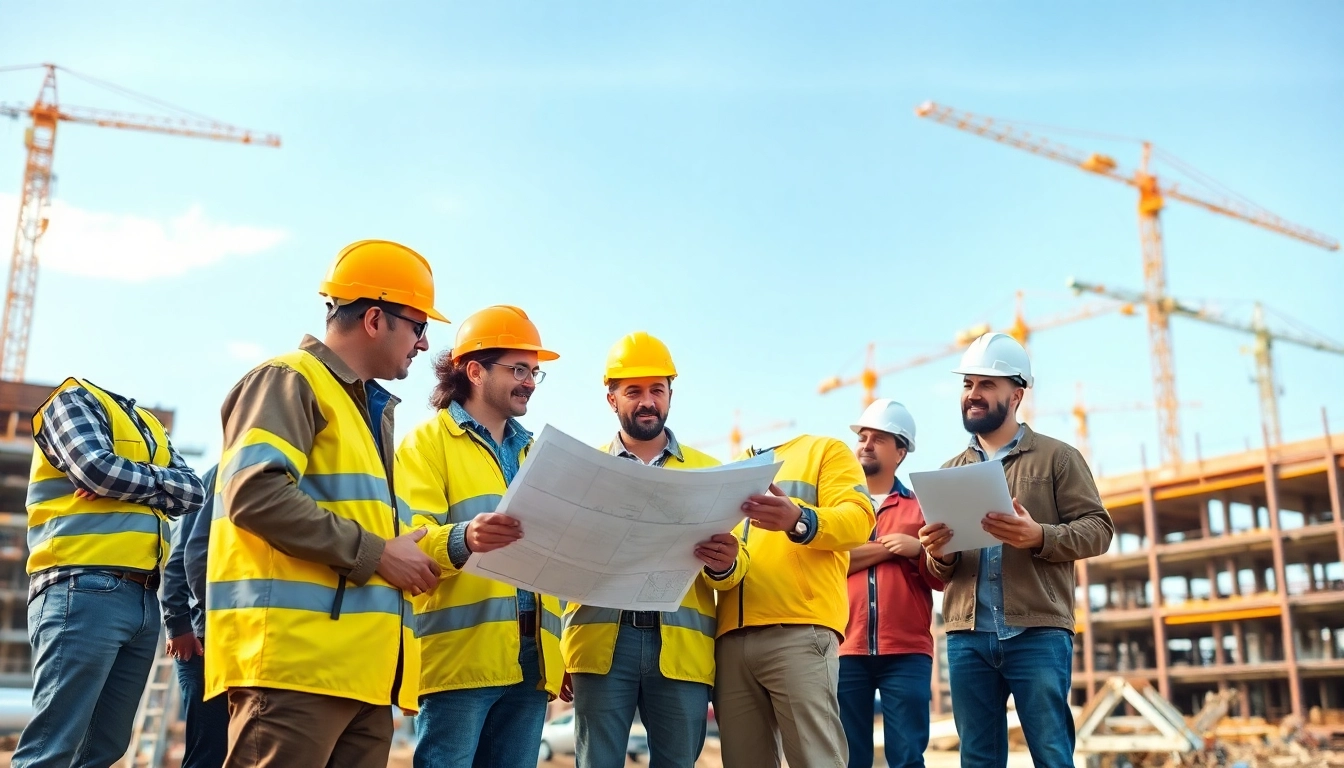
Forming coalitions is an effective strategy for enhancing construction advocacy efforts. By uniting various stakeholders, including government agencies, construction firms, community organizations, and labor groups, advocates can amplify their voices and create a more formidable force for change. Such coalitions enable stakeholders to combine their resources, expertise, and perspectives, significantly enhancing the likelihood of successful initiatives.
Utilizing Media and Public Relations
Media plays a critical role in shaping public opinion and awareness. Utilizing various media channels—social media, local news outlets, and industry publications—can help spread awareness about construction advocacy efforts. Effective public relations campaigns that highlight success stories and positively showcase the construction industry can dramatically shift public perception and garner community support.
Engaging in Policy Advocacy
Policy advocacy involves actively participating in the legislative process to effect change. Construction advocates can engage with lawmakers to influence decisions that impact the industry. This process may include drafting legislation, providing testimonies at hearings, and presenting research to support proposed changes. Constructive dialogue with policymakers can lead to the development of favorable regulations and funding initiatives that benefit the construction sector.
Measuring the Impact of Construction Advocacy
Key Performance Indicators
Measuring the effectiveness of construction advocacy efforts is essential for continuous improvement. Key performance indicators (KPIs) might include factors such as the number of successful legislative changes, community engagement levels, safety incident reductions, and the implementation of sustainable practices. Collecting data and evaluating these indicators will provide insights into the efficacy of advocacy efforts and highlight areas for further development.
Case Studies of Successful Initiatives
Examining successful case studies can provide valuable lessons for construction advocacy. For instance, a city that collaborated with local organizations to improve infrastructure while ensuring stakeholder input exemplifies how advocacy can lead to tangible benefits. By analyzing various case studies, advocates can identify best practices and strategies that can be replicated in different contexts, enriching their approach.
Future Trends in Construction Advocacy
As the construction landscape evolves, several trends are emerging in the realm of construction advocacy. The growing importance of technology in construction—such as the use of Building Information Modeling (BIM) and sustainable materials—presents opportunities for advocates to push for policies that incentivize innovation. Furthermore, as awareness of climate change continues to rise, construction advocacy will likely become increasingly focused on sustainable practices, demanding policies that prioritize environmental health alongside economic development.
Frequently Asked Questions
What is construction advocacy?
Construction advocacy involves efforts to influence policies, practices, and perceptions in the construction industry, promoting safety, efficiency, and sustainability.
Why is construction advocacy important?
It’s crucial for addressing industry challenges, enhancing community development, promoting safety and standards, and encouraging sustainable practices.
Who are the key stakeholders in construction advocacy?
Stakeholders include government agencies, construction firms, labor unions, community groups, and environmental organizations, all working together for beneficial outcomes.
What challenges does construction advocacy face?
Challenges include regulatory hurdles, funding limitations, and public perception issues, which can hinder effective advocacy efforts.
How can the impact of construction advocacy be measured?
Impact can be measured through key performance indicators (KPIs) like successful legislative changes, safety incident reductions, and community engagement levels.