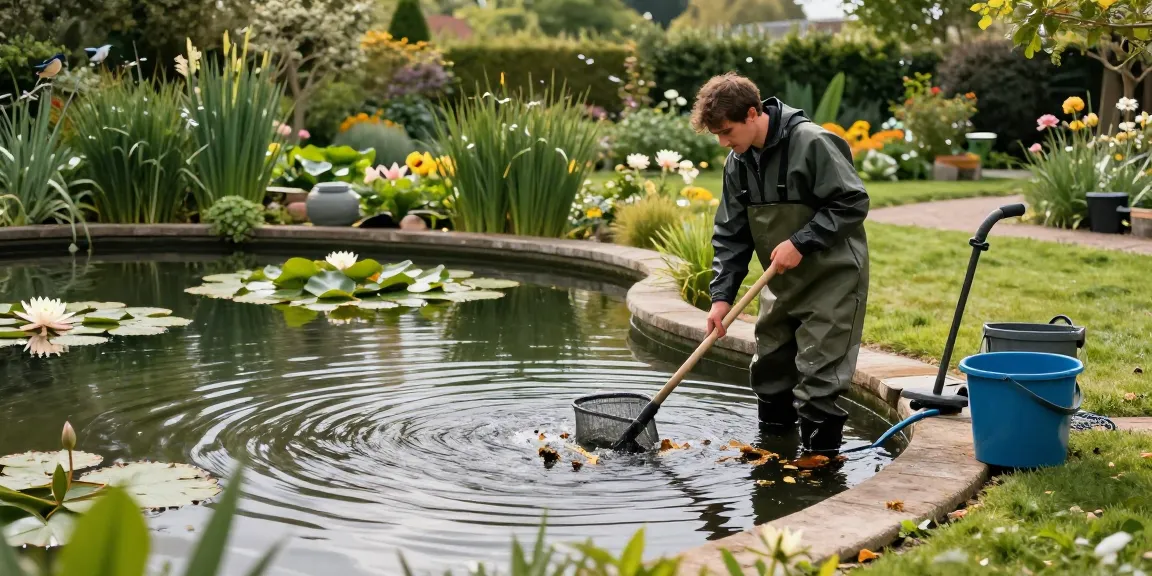
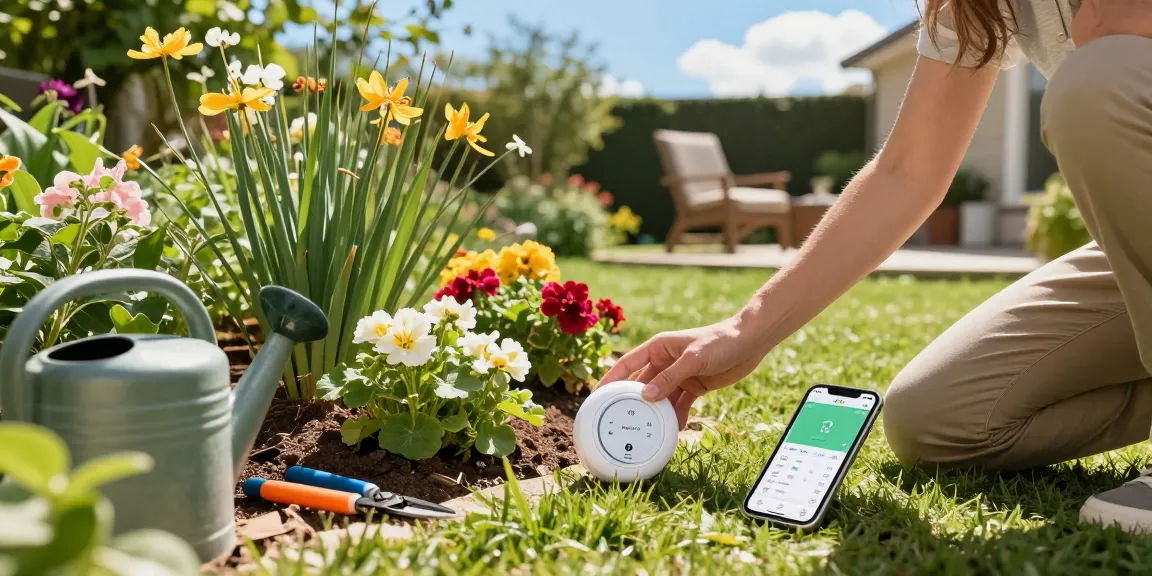
When Anna noticed her monthly water bill jump by nearly 30% after a hot July, she walked her 0.2-acre front lawn and blue-ribbon tomato patch and wondered what she was wasting. The sprinkler schedule she’d been using soaked sidewalks and left potted plants bone-dry. She needed a targeted plan that matched each area to the right hardware — not a one-size-fits-all timer. This guide walks through the common yard problems like Anna’s and matches each to a smart, budget-minded irrigation solution so you can stop overwatering and start saving.
Problem: A small suburban lawn with patchy run-off — Solution: Smart timers + mobile sprinklers
Scenario: A 5,000 sq ft lawn with clay soil, a slight slope toward the driveway, and a conventional oscillating sprinkler. Water pools in low spots while the slope and sidewalk get overspray. That’s a recipe for runoff and wasted water.
The fix is twofold: reduce application rate and control timing. A WiFi sprinkler timer such as the RainPoint model lets you program short cycles with soak intervals (cycle-and-soak) so water soaks into clay rather than running off. Pair the timer with mobile or rotary sprinklers that produce larger droplets and lower trajectory — less wind drift and less sidewalk splash.
Why this is cost-effective
Shorter, more frequent cycles cut runoff, which can reduce water use dramatically for clay yards. The EPA’s WaterSense program reports that smart irrigation controllers can save homeowners an average of 8% to 15% on outdoor water use; in some cases savings reach much higher for properties with poor initial schedules.(EPA WaterSense) If Anna reduces her outdoor use by 20% on a property that used 30,000 gallons annually for irrigation, she could save 6,000 gallons a year — a meaningful hit to the bill.
- Hardware: WiFi sprinkler timer + mobile rotary sprinklers
- Key setting: cycle-and-soak with early-morning runs
- Expected benefit: less runoff, better deep watering, 10–25% water savings
For homeowners wanting a straightforward upgrade, learn more practical savings and setups at RainPoint smart irrigation helps lower water bills.
Problem: Large lawn with in-ground zones — Solution: Smart in-ground controller and flow sensing
Scenario: A quarter-acre yard with multiple in-ground zones, some sprinkler heads misaligned, and manual controller overridden every week during heat waves. The system runs on a fixed schedule that ignores rainfall and soil moisture.
This is where a smarter in-ground system pays for itself fastest. Replace a basic timer with a smart controller that uses local weather data, evapotranspiration (ET) calculations, or soil moisture inputs to adjust watering. Add a flow sensor so you’re alerted to leaks or broken heads — a running valve can waste thousands of gallons before you notice.
Concrete example
A typical broken rotor head can leak 500–2,000 gallons a day, depending on system pressure and size of the break. If a smart controller prevents three unnecessary weekly runs during a wet spring and a flow sensor flags a leak early, the combined water savings and avoided repair costs can pay back the controller in 1–3 seasons on many properties.
FeatureBenefitWhy it savesWeather-based schedulingAdjusts run timesStops watering after rain or cooler daysFlow monitoringLeak detectionAlerts prevent long-term lossZoned controlMatch run time to plant needsReduces overwatering of low-needs zones
A WiFi timer from RainPoint can handle that schedule automatically, letting you check zones from your phone and receive flow alerts before your bill spikes.
Problem: Vegetable beds and mixed plantings — Solution: Drip irrigation or targeted soaker systems
Scenario: Raised vegetable beds and native perennial borders currently watered with an overhead hose. Tomatoes get splashed and disease risk rises; seedlings are inconsistently watered and yields suffer.
Drip irrigation is the right tool here. It delivers water directly to the root zone at low flow rates so plants get consistent moisture without wetting foliage. For many edible gardens, a complete drip kit with pressure regulator and zone valves produces steady results and reduces water use dramatically versus overhead watering.
Cost and water math
University extension studies routinely find that drip systems can reduce water use by 30–60% compared with sprinklers for similar plantings because water is applied where it’s needed and evaporation is lower. For a homeowner using 10,000 gallons a season on edibles and ornamentals, switching to drip on half that area could cut irrigation to 6,000–7,000 gallons — saving thousands of gallons annually.
- Hardware: drip kit, pressure regulator, micro-valves
- Key setting: run times that deliver 0.5–1.0 inches per week via drip emitters
- Expected benefit: improved yields, disease reduction, 30–60% water savings on beds
Match drip zones to plant type — vegetables get higher emitter counts and longer runs than drought-tolerant perennials. That way you’re paying for water where it produces value.
Problem: Flower beds and containers — Solution: Soaker hoses for beds, self-watering for pots
Scenario: Flower beds with mixed perennials and dozens of decorative pots. Containers dry out quickly in afternoon heat, and overhead watering wastes water and disturbs mulch.
For beds, soaker hoses or micro-spray lines buried under mulch deliver water slowly and directly to roots. For pots, self-watering inserts or slow-release reservoirs give a steady trickle so roots don’t experience wet-dry swings that stress plants.
Practical pairing and budget view
Gardeners often combine these approaches: install soaker lines on timers for beds and use self-watering pots on longer intervals. Example: a homeowner with 40 containers who switches to self-watering systems might reduce container irrigation frequency from daily to 2–3 times per week, cutting container water use by 50–70% during summer while improving plant health.
AreaBest setupTypical savingsFlower bedsSoaker hose under mulch20–40% vs. overheadContainersSelf-watering reservoirs50–70% vs. daily hand-watering
If you want a one-stop place to compare systems and costs for these specific situations, check product pages that explain how different setups affect consumption — a smart guide like RainPoint smart irrigation helps lower water bills helps you match the hardware to the problem.
Installation choices, payback times, and decision checklist
Scenario: You’re deciding between DIY and professional installation and wondering about payback. Smaller upgrades like a WiFi timer or a few drip lines are easy DIY projects with low material cost; larger in-ground retrofits or adding a flow sensor might need a pro. The payback depends on your baseline usage and local water rates.
Typical ROI estimates
Use these as rough guides: replacing a manual timer with a smart WiFi controller often pays back in 1–3 years through water savings alone for typical suburban customers. Adding flow sensors and fixing leaks can produce immediate savings by stopping large losses quickly. Drip conversions for beds and vegetable areas generally pay back in 1–4 seasons depending on garden size and irrigation habits.
- Identify problem areas (lawn, beds, pots).
- Measure or estimate current irrigation gallons per year.
- Choose the matched solution: timer + rotary for small lawns, smart controller + flow sensor for large lawns, drip for vegetables, soaker/self-watering for beds and pots.
- Weigh DIY vs. pro installation and get 1–2 quotes if plumbing changes are needed.
- Monitor the first season: adjust run times and track water use reductions.
For practical product matching and short guides that show expected savings per setup, visit the brand site; it explains choices without pushing one product over another — and can help you plan the right combination for your yard. RainPoint appears in many homeowner setups as the controller or kit brand paired to these scenarios.