Understanding Rope Bridges: History and Construction
Rope bridges have fascinated adventurers and engineers alike for centuries. These structures, often composed solely of ropes, allow for passage over obstacles like ravines, rivers, and valleys, showcasing both ingenuity and grace. From the ancient suspension bridges of the Inca civilization to the modern playground installations, rope bridges serve various purposes in today's world. When exploring options, Rope Bridge designs can be a thrilling addition to any outdoor space.
What is a Rope Bridge?
A rope bridge is a type of bridge that is supported by ropes or cables, allowing for a suspension design that can navigate challenging terrains. Typically, these structures are lightweight and flexible, making them suitable for temporary and long-term uses alike. They are commonly used in adventure parks, military training, and even in remote locations by indigenous communities. Traditionally made of natural fibres like jute or manila, modern constructions often utilise synthetic materials such as nylon or polyester, providing enhanced strength and durability.
Types of Rope Bridges and Their Uses
There are various types of rope bridges, each tailored to specific needs and environments:
- Suspension Bridges: These bridges hang from cables strung between towers, allowing for greater spans over large obstacles.
- Traditional Footbridges: Common in rural settings, these bridges typically consist of two or more ropes with a plank walkway, allowing pedestrians to cross safely.
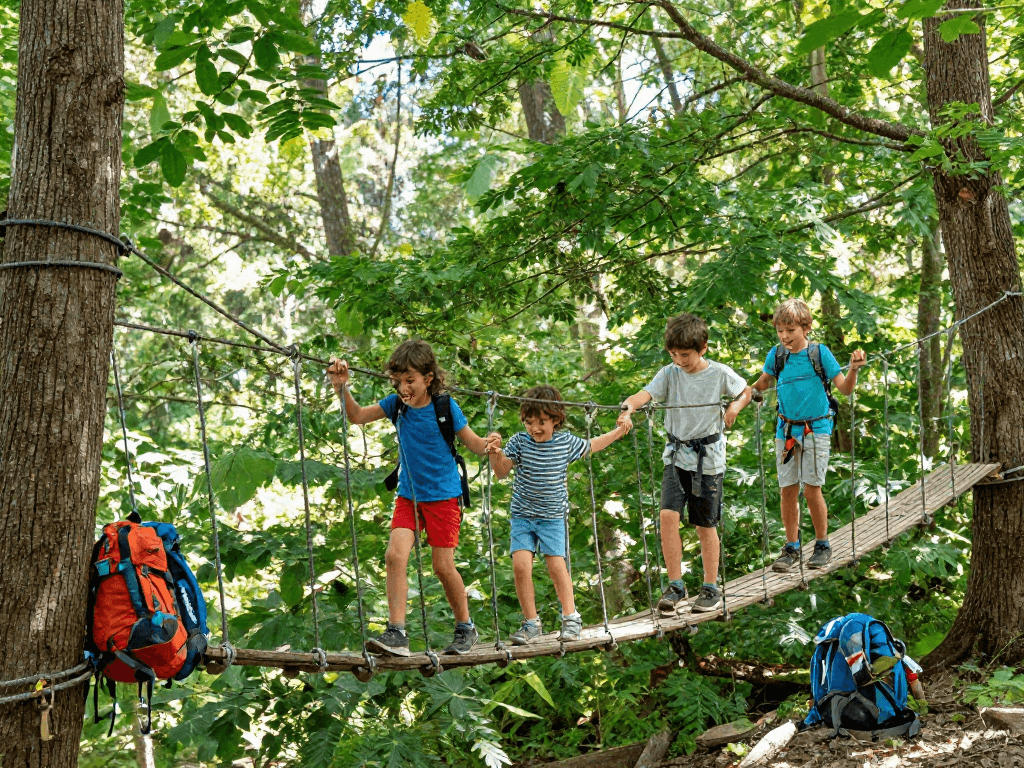
- Adventure Bridges: Often found in playgrounds and adventure parks, these designs incorporate playful elements suited for children, including swings and nets.
- Emergency and Temporary Bridges: These can be quickly deployed in disaster-relief situations to reconnect communities cut off by floods or landslides.
The Materials Needed for Building a Rope Bridge
Building a rope bridge requires careful consideration of materials to ensure safety and functionality. Key materials include:
- Rope: Choose a high-quality, weather-resistant rope. Polyester and nylon are popular options due to their strength and durability.
- Anchoring Systems: These can include trees, posts, or ground anchors that provide secure attachment points for the bridge.
- Decking Material: For traditional bridges, wooden planks or composite materials can be used to create a stable walkway.
- Safety Gear: Harnesses, helmets, and other protective equipment should be used during construction and for users.
Designing Your Rope Bridge: Key Considerations
Designing a rope bridge involves a balance between structural integrity and aesthetic appeal. Key considerations include safety, location, and dimensions.
Safety Standards and Regulations for Rope Bridges
Safety should always be a priority when constructing a rope bridge. Adhering to local regulations and industry standards is essential. This may involve ensuring that the materials used are compliant with safety certifications and that the structure can support the intended load, including both users and environmental factors like wind.
Choosing the Right Location for Your Rope Bridge
The location of your rope bridge plays a crucial role in its design and usability. Factors to consider include:
- Accessibility: Ensure the bridge can be accessed safely from both ends.
- Environmental Impact: Conduct an assessment to minimise ecological disruption.
- Visibility: Consider how visible the bridge will be to users and how it integrates with the surrounding landscape.
Planning the Structure and Dimensions
The structure and dimensions of the bridge will depend on its intended use. For recreational purposes, a narrower bridge may suffice, but for emergency or military applications, broader dimensions could be necessary. Furthermore, the height of the bridge must be planned to mitigate risks associated with falls.
Building Your Rope Bridge: Step-by-Step Guide
Constructing a rope bridge requires a systematic approach, ensuring every detail is executed with precision.
Preparing the Base: Anchoring and Supports
Start by selecting solid anchor points, such as sturdy trees or posts. These will form the backbone of your bridge, providing necessary support. Ensure the anchor points are stable and can withstand the weight of the bridge along with any dynamic loads from users.
Installing the Ropes: Techniques and Tips
Once the anchors are secure, the next step involves installing the main support ropes. Techniques such as the double bowline knot can be used to ensure a firm hold. It is advisable to use a tensioning system to maintain the right amount of tautness in the ropes, as this will enhance the stability of the bridge during use.
Final Touches: Safety Checks and Maintenance
After installation, conduct thorough safety checks. Inspect all connections, test the stability of the bridge under weight, and look for any signs of wear. Regular maintenance is crucial to ensure longevity and safety, particularly in challenging environmental conditions.
Using Rope Bridges for Recreation and Adventure
Rope bridges can provide unique opportunities for recreation and adventure, enhancing experiences in outdoor settings.
Rope Bridges in Team-Building Activities
Team-building activities often utilise rope bridges to foster collaboration and communication skills among participants. The challenges presented by traversing a rope bridge can encourage teamwork, problem-solving, and trust, making them ideal for corporate retreats or educational camps.
Enhancing Outdoor Play Areas with Rope Bridges
In playgrounds, rope bridges can add an adventurous element that encourages physical activity and imaginative play. They help children develop motor skills, coordination, and confidence as they navigate and explore new heights.
Adventure Sports: Incorporating Rope Bridges into Challenges
For adventure sports enthusiasts, rope bridges can be a thrilling element in obstacle courses. They present challenges that require agility and strength, making them an excellent addition to outdoor adventure parks or competitive events.
Future Trends in Rope Bridge Design and Construction
As we look towards 2026, innovations in rope bridge design and construction will likely evolve to meet modern needs.
Innovative Materials and Techniques for 2026
The next few years will see advancements in the materials used for rope bridges, including the introduction of eco-friendly synthetic ropes and improved anchoring systems that enhance safety without compromising aesthetics.
Environmental Considerations and Sustainable Practices
Modern bridge construction must consider environmental impact. Sustainable practices, such as using reclaimed materials and minimising ground disturbance, are likely to become more prevalent, aligning with broader movements towards eco-consciousness in construction.
The Future of Rope Bridges in Recreational Spaces
Rope bridges will continue to play a vital role in recreational spaces, adapting to new trends in adventure tourism and outdoor recreation. Their versatility allows for creative applications, making them invaluable assets in parks, nature reserves, and adventure centres.
What is a rope bridge called?
A rope bridge is often referred to as a suspension bridge, particularly when it is designed to support pedestrian traffic across obstacles. Other terms may include hanging bridge or footbridge, depending on the specific design and usage.
How do you make a rope bridge?
Building a rope bridge involves selecting suitable materials, establishing secure anchor points, and ensuring that the bridge is both safe and accessible. Following a systematic approach in design and construction is essential to successfully create a functional rope bridge.
What type of rope is best for a rope bridge?
The best type of rope for a rope bridge is typically a synthetic option, such as polyester or nylon, due to their high strength, resistance to weather conditions, and longevity. Additionally, their flexibility allows for easier handling and installation.
Can rope bridges be used in urban settings?
Yes, rope bridges can be adapted for urban settings, providing unique solutions for crossings over streets or pedestrian zones. Their lightweight design can minimise the visual impact while offering necessary passageways for people.
What safety measures should be considered for a rope bridge?
When constructing a rope bridge, it is imperative to implement safety measures such as guard rails, regular maintenance, and adherence to safety standards. Ensuring that users are educated on proper usage is also critical to prevent accidents.