Understanding Organic White Coffee
As coffee enthusiasts continue to explore diverse flavor profiles and brewing methods, organic white coffee has emerged as an intriguing option. This unique type of coffee, made from beans that are less roasted than traditional varieties, offers a distinctive taste and array of health benefits. In the following sections, we will delve into what organic white coffee is, its health benefits, and the reasons driving its rising popularity.
What is Organic White Coffee?
Organic white coffee differs from traditional coffee primarily in its production methods and the type of beans used. Made from young, green coffee beans that have been carefully harvested and lightly roasted, organic white coffee preserves much of the bean's original flavor and nutritional profile. This minimal processing ensures that the natural qualities of the coffee are retained, offering a mild, slightly nutty flavor that is less bitter than darker roasts.
Health Benefits of Organic White Coffee
One of the most compelling reasons to consider organic white coffee is its health benefits. Studies suggest that organic white coffee may contain higher levels of certain antioxidants compared to traditional coffee. These antioxidants can help combat oxidative stress in the body, potentially reducing inflammation and lowering the risk of chronic diseases. Moreover, the lower caffeine content makes it an appealing choice for those looking to limit their caffeine intake without sacrificing flavor.
The Rise in Popularity of White Coffee
The growing interest in organic white coffee can be attributed to several factors. First, as consumers become increasingly health-conscious, they are seeking beverage options that align with their wellness goals. Additionally, the unique flavor profile of organic white coffee, along with its versatility in various brewing methods, has attracted a diverse audience, from casual coffee drinkers to aficionados. This shift in consumer preference is also reflective of broader trends in the food and beverage industry, where natural, organic products are becoming the norm.
Choosing the Right Beans for Quality
To truly enjoy the distinct flavors of organic white coffee, selecting high-quality beans is essential. Organic certification plays a significant role in this process, ensuring that the beans are grown without synthetic pesticides and fertilizers. Here, we will discuss how to identify high-quality organic white coffee beans, the impact of sourcing on flavor profile, and what organic certifications mean for consumers.
Identifying High-Quality Organic White Coffee Beans
When sourcing organic white coffee beans, it’s vital to look for reputable suppliers that prioritize quality and sustainability. High-quality beans should be uniform in size, color, and texture, with a sweet, fresh aroma. Often, single-origin beans from well-defined regions offer superior taste profiles, allowing consumers to experience the unique characteristics of the coffee's geographic origin.
Impact of Sourcing on Flavor Profile
Just like wine, the flavor profile of coffee is significantly influenced by its growing conditions. Factors such as altitude, soil type, and climate contribute to the beans' inherent flavors. For example, organic white coffee sourced from high-altitude regions typically exhibits brighter acidity and more complex flavor notes compared to those grown at lower elevations. Understanding these nuances helps consumers appreciate the depth that comes with each cup.
Organic Certifications and What They Mean
Organic certifications offer assurance that the coffee meets specific agricultural standards. In the United States, the USDA Organic seal signifies that the coffee has been produced without synthetic additives or genetically modified organisms (GMOs). Additionally, certifications such as Fair Trade can further ensure that the beans are sourced ethically, supporting sustainable farming practices and fair wages for farmers.
Brewing Techniques for Peak Flavor
The way organic white coffee is brewed can significantly enhance the beverage's flavor and aroma. Different brewing methods bring out diverse aspects of the coffee, allowing consumers to customize their experience. In this section, we will explore the best brewing methods, the importance of water quality in brewing, and tips for adjusting brew variables to enhance flavor.
Best Brewing Methods for Organic White Coffee
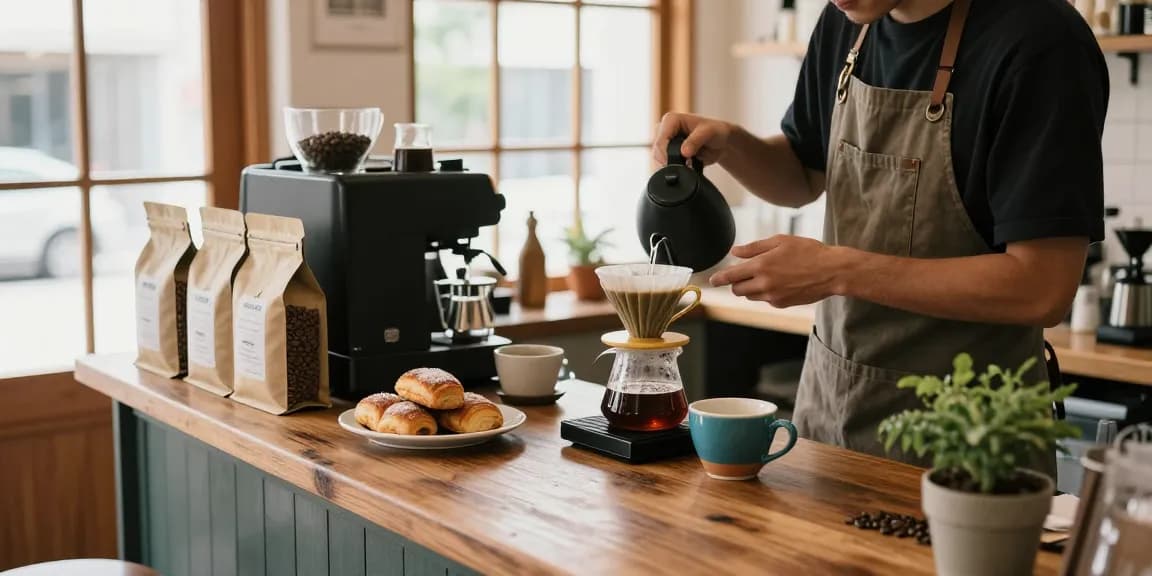
Several brewing techniques can be effective for organic white coffee, but methods such as pour-over, French press, and cold brew are particularly popular. Pour-over allows for precise control over brewing time and temperature, while French press enhances the coffee's body and richness. Cold brew, on the other hand, creates a smooth, less acidic drink that complements the natural sweetness of the beans.
Importance of Water Quality in Brewing
The quality of water used in brewing organic white coffee can greatly influence the final outcome. Hard or heavily chlorinated water can impart undesirable flavors. Ideally, use filtered water that is free from impurities to create the best-tasting coffee. Water temperature is another crucial factor; using water between 195°F to 205°F (90°C to 96°C) ensures optimal extraction of flavors from the coffee beans.
Adjusting Brew Variables for Flavor Enhancement
Small adjustments to the brewing process can yield significant differences in flavor. Experimenting with grind size, brewing time, and coffee-to-water ratios can help you discover your preferred taste profile. For instance, a coarser grind may necessitate a longer steeping time, while a finer grind might require a shorter brew period to avoid over-extraction.
Marketing Your Organic White Coffee
To successfully market organic white coffee, it’s essential to identify and understand your target audience. By creating engaging content and leveraging social media platforms, you can effectively promote your brand and connect with potential customers. In this section, we will discuss targeting the right audience, content creation, and social media strategies to enhance your marketing efforts.
Targeting the Right Audience: Who Loves White Coffee?
The audience for organic white coffee often includes health-conscious consumers, specialty coffee drinkers, and those interested in unique flavors. Understanding the demographics and preferences of these groups is key to tailoring marketing strategies that resonate with them. Conducting surveys or analyzing consumer behavior can provide valuable insights into what drives customer preferences.
Creating Engaging Content Around Organic Coffee
Content marketing can be a powerful tool in promoting organic white coffee. Creating informative blog posts, how-to guides, and videos that showcase the brewing process, health benefits, and flavor profile can engage your audience and establish your brand as an authority in the industry. Moreover, storytelling can connect consumers emotionally, making them more likely to choose your product over competitors.
Using Social Media to Promote Your Brand
Social media platforms are essential for reaching a broader audience. Utilizing visually appealing content, such as high-quality images of your coffee beans and brewed beverages, can attract attention. Consider engaging with your audience through polls, quizzes, and user-generated content to build a community around your brand. Collaborations with influencers in the health and wellness space can further amplify your reach.
Future Trends in Organic White Coffee
As the coffee landscape evolves, organic white coffee is poised to experience significant changes. Emerging trends will continue to shape the industry, driven by consumer preferences for sustainability and health. In this final section, we will explore innovative trends expected in 2026, the influence of consumer preferences, and the impact of health and sustainability trends on coffee choices.
Innovative Trends Expected in 2026
Looking ahead, the organic white coffee market is likely to see innovations in packaging, flavoring, and preparation methods. Many brands are already exploring biodegradable packaging options and eco-friendly practices to appeal to environmentally-conscious consumers. Additionally, we might witness more creative flavor infusions that enhance the coffee's natural profile, offering consumers a variety of choices.
Consumer Preferences Shaping the Industry
The growing demand for transparency in sourcing and production practices will continue to influence the organic coffee sector. Consumers are becoming more educated and selective about the products they consume, seeking out brands that align with their values. Companies that prioritize ethical sourcing and sustainability will likely see continued success as they build trust with their customer base.
Health and Sustainability Trends Impacting Coffee Choices
Health trends focusing on natural and organic products are expected to drive growth in the organic coffee market. As people prioritize wellness, the demand for organic white coffee, which is perceived as healthier than traditional coffee, will likely rise. Furthermore, sustainability practices, such as regenerative agriculture and carbon-neutral production, will not only appeal to eco-conscious consumers but also contribute to the health of our planet.
What are the benefits of drinking organic white coffee?
Drinking organic white coffee can lead to numerous health benefits, including higher antioxidant levels, reduced bitterness, and a smoother palate.
How is organic white coffee different from traditional coffee?
Organic white coffee is made from lightly roasted, green coffee beans, resulting in a milder taste profile compared to traditional, darker roasts.
What brewing methods are best for organic white coffee?
Popular brewing methods for organic white coffee include pour-over, French press, and cold brew, each enhancing the coffee's unique flavors.
How can I market my organic white coffee effectively?
Understanding your target audience, creating engaging content, and leveraging social media platforms are key strategies for marketing organic white coffee.
What trends are shaping the future of organic coffee?
Future trends in organic coffee will likely include innovative packaging solutions, flavor infusions, and a focus on ethical sourcing and sustainability practices.