Introduction to Kitchen Loofah
The kitchen loofah is an often-overlooked item that brings a natural approach to cleaning, whether it’s dishes, countertops, or other kitchen surfaces. Originating from the fibrous insides of gourd plants, these unique sponges are not only effective in scrubbing but also add an eco-friendly element to our everyday routines. In this guide, we'll explore the full spectrum of kitchen loofahs, from understanding their benefits to selecting and caring for them, while also uncovering creative uses that transcend their standard applications.
What is a Kitchen Loofah?
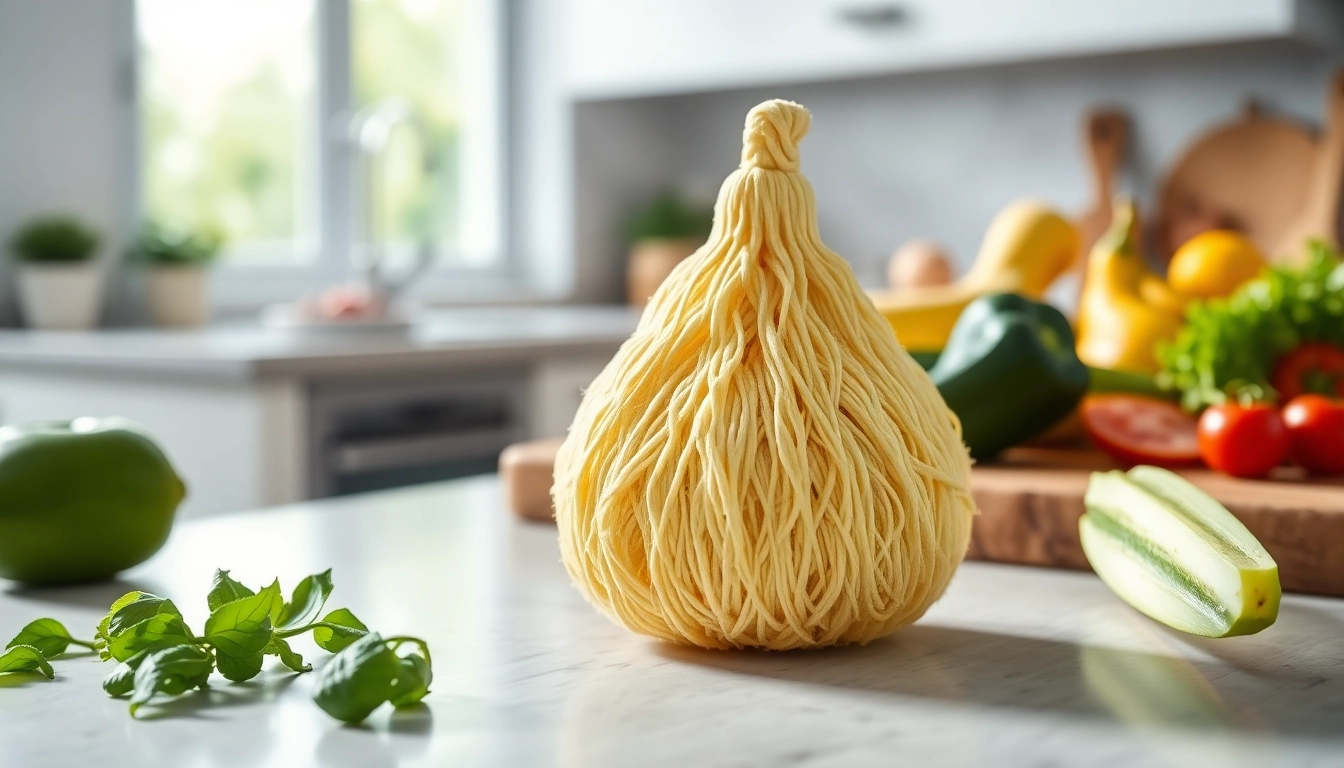
A kitchen loofah, derived from the loofah gourd (Luffa aegyptiaca), is a natural cleaning tool recognized for its scrubbing abilities. When mature, the gourd is harvested, its skin peeled away, and the inner fibrous material dried and processed. This results in a sponge-like texture that is gentle yet effective against dirt and grime, making it a staple for many eco-conscious kitchen enthusiasts. Unlike synthetic sponges, kitchen loofahs are biodegradable and compostable, reducing environmental waste.
Benefits of Using Kitchen Loofahs
Generally, adopting a kitchen loofah into your cleaning regimen presents several benefits:
- Environmentally Friendly: As a natural product, kitchen loofahs break down over time unlike their synthetic counterparts, making them a more sustainable choice.
- Effective Cleaning: Their texture allows for thorough cleaning without scratching most surfaces, making them ideal for delicate dishware and countertops.
- Multi-Purpose Tool: Beyond kitchen use, loofahs can be utilized in various cleaning and personal care tasks, enhancing their value.
- Hypoallergenic Properties: Being a natural product, kitchen loofahs are less likely to cause reactions in sensitive individuals compared to synthetic sponges.
Environmental Considerations
Environmental consciousness is paramount in today’s society. Kitchen loofahs are wholly biodegradable, meaning they won't contribute to landfill waste like traditional plastic sponges. The production of kitchen loofahs typically requires fewer resources, both in terms of materials and energy, compared to synthetic sponges. Additionally, as they are grown and harvested rather than manufactured, their carbon footprint is significantly lower. Choosing a kitchen loofah supports a sustainable lifestyle while keeping your kitchen clean.
How to Choose the Right Kitchen Loofah
Finding the right kitchen loofah involves understanding the variety of options available, considering size and texture, and deciding between natural and synthetic choices.
Types of Kitchen Loofahs Available
Kitchen loofahs can be categorized into several types according to their processing and intended use:
- Whole Loofah: These are larger pieces of the plant and can be cut into smaller portions. They provide a more rustic look and feel.
- Loofah Pads: These smaller, flat pads are pre-cut loofahs that are ideal for quick scrubbing tasks.
- Loofah Soap Disks: Sometimes combined with soap, these disks provide convenience, allowing for easy lathering while scrubbing.
- Infused Loofahs: Some loofahs come infused with natural scents or essential oils, enhancing the sensory experience during cleaning.
Size and Texture Considerations
When selecting a kitchen loofah, consider both size and texture. Larger loofahs can be more unwieldy for small scrubbing jobs, whereas smaller loofahs allow for detailed cleaning, especially in tight spaces. Texture can also vary; choose a coarser texture for tough scrubbing tasks, while a softer texture is preferable for more delicate surfaces. It's essential to test a few different options to find what works best for your specific tasks and kitchenware.
Natural vs. Synthetic Options
While natural kitchen loofahs come from the gourd plant, synthetic alternatives exist and are often made from materials like polyester. Natural loofahs generally outperform synthetics in terms of biodegradability and sustainability. However, they may require more regular replacement since they can deteriorate faster than synthetic materials. Choose natural options for an eco-friendly approach, and consider synthetic when durability and long-term use are priorities.
Best Practices for Using Kitchen Loofahs
Using kitchen loofahs effectively enhances their benefits and lifespan. Adopting proper cleaning and maintenance techniques, along with safety precautions, can ensure optimal use.
Cleaning and Maintenance Tips
Maintaining your kitchen loofah ensures longevity and safety. Here are several practices:
- Rinse Regularly: After each use, rinse the loofah thoroughly to remove food particles and debris.
- Sanitize: Regularly soak your loofah in a mixture of vinegar and water for 30 minutes to disinfect and eliminate odors.
- Air Dry: Let your loofah dry completely in a well-ventilated area to avoid mold and bacteria growth.
- Replace Periodically: Pay attention to wear and tear. It’s advisable to replace your loofah every 3 to 4 weeks based on usage.
Safety Precautions
While kitchen loofahs are generally safe, precautionary measures should be observed:
- Inspect Regularly: Check your loofah for any signs of mold or excessive wear. Discard if any issues are found.
- Avoid Cross-Contamination: If used for cleaning raw food surfaces, keep a separate loofah for dishware to prevent bacterial transfer.
- Use Protective Gear: Consider using gloves when cleaning with loftus for especially dirty tasks to prevent skin irritation.
Effective Techniques for Different Surfaces
Different kitchen surfaces may require varied scrubbing techniques:
- Non-Stick Cookware: Use a softer section of the loofah to avoid scratching.
- Glassware: A gentle scrubbing motion with a dry loofah can restore shine without scratching.
- Countertops: Depending on the material, a coarser texture works well for tough stains but may need caution on sensitive surfaces.
- Grills: For greasy surfaces, soak the loofah in soapy water first for effective removal of grime.
Creative Uses for Kitchen Loofahs
Kitchen loofahs are versatile tools that can be repurposed in several innovative ways beyond their usual cleaning duties.
Beyond the Kitchen: Other Uses
The usefulness of kitchen loofahs extends to various applications, including:
- Personal Care: Loofahs can be used as exfoliating sponges in baths or showers.
- Gardening: Cut pieces can serve as plant tie supports or gardening accessories.
- Crafting: Loofahs can be used in creative projects, such as making natural sponges or beauty products.
DIY Projects with Kitchen Loofahs
Transform your kitchen loofah into a unique crafting material:
- Natural Soap: Combine loofahs with homemade soap to create exfoliating bath bars.
- Seed Starters: Use cut loofahs as biodegradable starter pots for seedlings.
- Eco-Friendly Gift Wrap: Wrap gifts in loofah fabric for an earth-friendly presentation.
Tips for Incorporating Kitchen Loofahs in Cleaning Routines
Streamlining the integration of kitchen loofahs into your daily cleaning routines can enhance efficiency:
- Assign Roles: Designate specific loofahs for particular tasks to limit cross-contamination.
- Set Reminders: Use smartphone reminders to maintain a cleaning schedule and loofah replacement.
- Leverage in Team Cleaning: Encourage household members to use loofahs for specific cleaning tasks during collective chores.
FAQs About Kitchen Loofah
Are kitchen loofahs biodegradable?
Yes, kitchen loofahs are biodegradable and can safely decompose, making them an environmentally friendly choice.
How often should I replace my kitchen loofah?
It is recommended to replace kitchen loofahs every 3 to 4 weeks, depending on usage, to maintain hygiene.
Can kitchen loofahs scratch surfaces?
Generally, kitchen loofahs are gentle enough not to scratch most surfaces; however, it’s best to test on a small area first.
Is it safe to use kitchen loofahs on food prep surfaces?
Kitchen loofahs can be used on food surfaces if they are clean and free of any contaminants, but should be designated for specific tasks.
How do I clean my kitchen loofah?
Soak in a vinegar-water solution or run it through a dishwasher for deep cleaning. Air drying is essential to prevent mold.