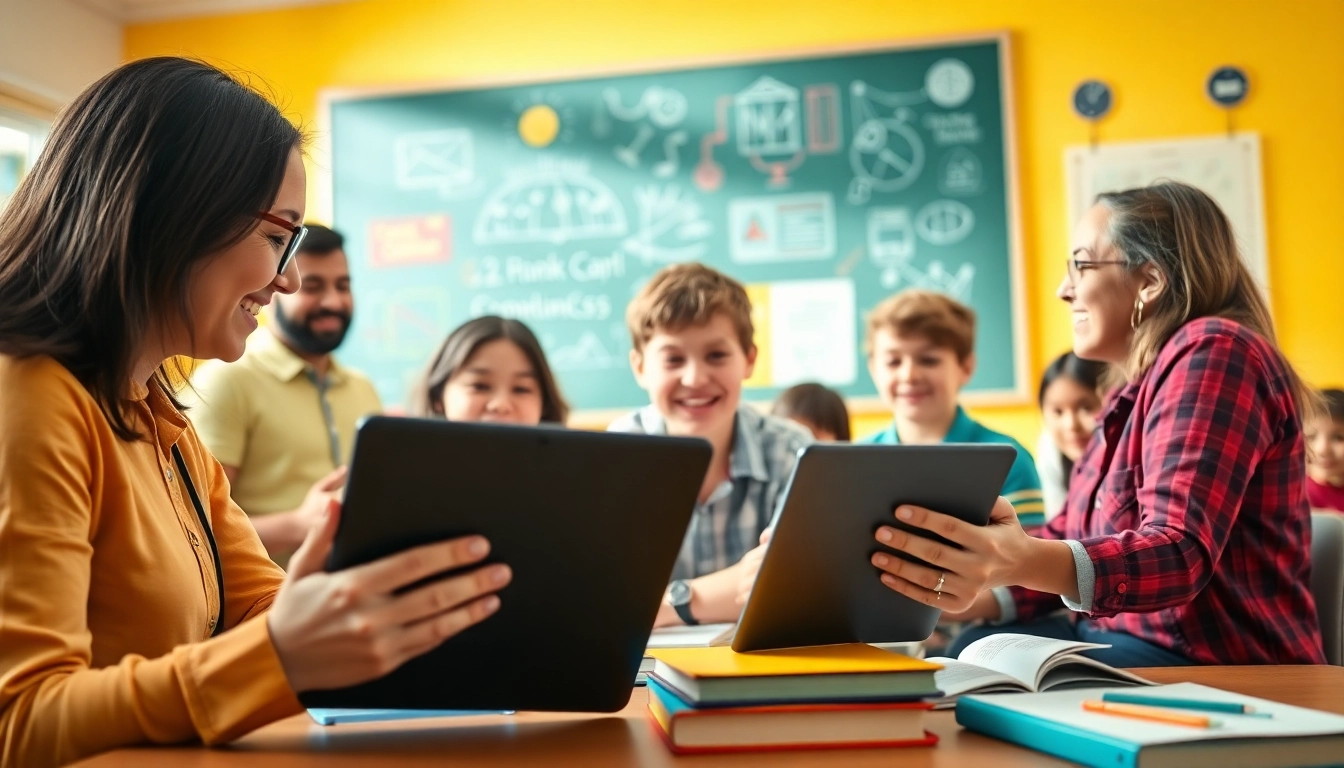
Understanding the Importance of Education
Education plays a pivotal role in personal and societal development. It serves as the foundation of knowledge that empowers individuals to navigate life’s complexities, build necessary skills, and contribute to their communities. The significance of education extends beyond basic literacy; it impacts economic growth, social cohesion, and personal fulfillment. Education is essential for fostering critical thinking, innovation, and the ability to adapt in an ever-evolving landscape.
Definition and Scope of Education
At its core, education can be defined as the systematic transmission of knowledge and skills. This encompasses a wide array of experiences, from formal schooling in institutions to informal learning through life experiences and interactions with others. The scope of education includes various types of learning, including cognitive development, socialization, and the cultivation of emotional intelligence.
Formal education typically follows structured systems, including primary, secondary, and higher education. Each stage aims to build upon the previous one, ensuring a continuum of learning that prepares individuals for further studies or the workforce. Informal education, on the other hand, occurs outside traditional classroom settings and can include activities such as mentorship, community service, and self-directed learning, which play an equally vital role in an individual’s educational journey.
Educational Milestones and Objectives
Throughout a person’s life, there are several key milestones in education that serve specific objectives. Some of these milestones include:
- Early Childhood Education: Focuses on foundational skills in language, numeracy, and social behavior.
- Primary Education: Establishes basic academic skills and introduces students to a structured learning environment.
- Secondary Education: Aims to deepen knowledge in various subjects while fostering critical thinking and problem-solving skills.
- Higher Education: Specializes in advanced study and research, preparing individuals for specialized careers and active citizenship.
Each educational stage is designed with specific learning objectives that reflect the needs of society and the potential of the learners. These objectives ensure that individuals are prepared for future challenges, can actively participate in democracy, and contribute economically and culturally to their communities.
Impact on Personal and Societal Development
The impact of education is profound, influencing both personal growth and societal advancement. On a personal level, education enhances an individual’s knowledge and skills, promoting personal efficacy and lifelong learning. It builds confidence and encourages individuals to pursue their aspirations, while also fostering critical thinking and problem-solving abilities.
On a societal scale, education promotes social cohesion by cultivating shared values and norms, reducing inequality, and empowering underrepresented groups. An educated populace is better equipped to engage in civic activities, from voting to volunteering, contributing to the overall health of democracy. Research also indicates that higher levels of education correlate with improved economic outcomes, lower crime rates, and better public health standards. Therefore, education acts as a catalyst for both individual and collective progress.
Innovative Trends in Education
As society evolves, so do the methods and practices of education. Innovative trends have emerged that leverage technology and modern pedagogical approaches to enhance learning experiences.
Technology Integration in Education
The digital revolution has drastically transformed the landscape of education. Integrating technology into the classroom allows for enhanced engagement, personalized learning, and access to a wealth of information. Tools such as interactive whiteboards, tablets, and online collaboration platforms enable educators to create dynamic learning environments that cater to diverse learning styles.
Online resources and learning management systems (LMS) allow students to access materials anytime and anywhere, promoting self-paced learning and flexibility. Additionally, technology facilitates the adoption of blended learning models, combining traditional face-to-face instruction with online components to enhance learners’ experiences. This shift not only enriches the learning process but also prepares students for a digitally-oriented workforce.
Project-Based Learning Strategies
Project-based learning (PBL) is an instructional method that encourages students to engage in real-world projects as a means of developing skills and knowledge. Through PBL, learners work collaboratively on meaningful projects, allowing them to explore subjects in depth while applying critical thinking and problem-solving skills.
Such approaches help students retain knowledge more effectively, foster teamwork, and cultivate a sense of responsibility. By tackling authentic challenges, students enhance their ability to connect classroom learning to life beyond school, ensuring they develop competencies relevant to their futures.
Personalized Learning Experiences
Personalized learning recognizes that every student has unique needs, interests, and learning paces. By tailoring educational experiences to each individual, educators can better engage students and enhance their learning outcomes. This approach may involve differentiated instruction, where teachers adapt their teaching methods and materials to accommodate various learning styles, or the use of adaptive learning technologies that adjust content in real-time based on student performance.
Effective personalized learning also incorporates feedback mechanisms, allowing students to understand their progress and take ownership of their learning journey. Thus, personalized education fosters greater motivation and ensures learners are equipped with the skills needed for success in their future endeavors.
Challenges in Today’s Education System
While many innovations have emerged within the educational sphere, significant challenges persist. These obstacles affect not only educational institutions but also students, families, and communities.
Addressing Equity and Accessibility in Education
Equity in education refers to ensuring that all students have access to the resources and opportunities necessary for success, regardless of their socioeconomic background, race, or geographic location. Unfortunately, disparities remain prevalent, with many marginalized students facing barriers that hinder their educational attainment.
Addressing these inequities requires systemic changes, including investment in education infrastructure, equitable funding models, and inclusive policies that reflect the needs of diverse learners. Initiatives focusing on closing the achievement gap and providing additional support for underrepresented groups are crucial in creating fair and just educational experiences.
Combatting Educational Disparities
Educational disparities often manifest as differences in academic performance, graduation rates, and access to advanced coursework. These gaps can significantly impact students’ future opportunities. To combat educational disparities, targeted interventions must be established, including tutoring services, mentorship programs, and community engagement initiatives aimed at providing tailored support to at-risk students.
Partnerships between schools, families, and community organizations can help mobilize resources effectively, ensuring that every student receives the necessary support to excel academically. These efforts are vital for fostering an inclusive educational environment where all learners can thrive.
Developing Resilient Educational Frameworks
Building resilient educational frameworks is imperative in responding to an ever-changing world. This means adopting flexible curricula that can adapt to new knowledge, changing job markets, and diverse learner needs. A resilient education system incorporates continual assessment and encouragement of innovative teaching practices that align with the latest research and educational philosophies.
Furthermore, fostering a culture of collaboration among educators, administrators, and policymakers is essential to sustaining effective educational practices. Continuous professional development opportunities for teachers can ensure they possess the skills and knowledge to implement new strategies successfully.
Best Practices for Effective Teaching
Creating a successful learning environment involves employing effective teaching practices that foster engagement, understanding, and retention.
Engagement Techniques for Diverse Learners
Engagement is key to effective learning. Teachers should employ various engagement techniques to cater to the varying interests and backgrounds of their students. Some effective strategies include:
- Interactive Learning: Activities like discussions, debates, and role-playing can stimulate interest and participation.
- Incorporating Technology: Utilizing multimedia presentations, gamification, and educational apps can captivate students’ attention.
- Differentiated Instruction: Tailoring learning experiences to meet individual needs and allowing students to learn at their own pace fosters deeper engagement.
By deploying a range of techniques, educators can create a more inclusive and participatory classroom environment that values diverse learning styles.
Assessment and Feedback Mechanisms
Ongoing assessment and feedback are crucial components of effective teaching. They allow educators to gauge students’ understanding and adjust instruction accordingly. Various methods of assessment, including formative and summative evaluations, help teachers identify areas where students may need additional support.
Providing timely and constructive feedback enables learners to recognize their strengths and areas for improvement. Creating a feedback culture encourages students to view challenges as opportunities for growth rather than setbacks, fostering resilience and a love for learning.
Fostering Collaborative Learning Environments
Collaboration among students enhances learning by allowing them to share ideas, challenge one another, and build social skills. Educators can foster such environments by designing group projects and peer-led discussions, promoting teamwork, and creating a sense of belonging among students. Encouraging collaboration helps to develop communication skills, empathy, and collective problem-solving abilities, all of which are essential competencies in today’s interconnected world.
The Future of Education: Preparing for Tomorrow
As the landscape of education continues to change, it is crucial to examine trends that may shape the future of learning. Understanding these trends can help educators, students, and policymakers prepare for what lies ahead.
Trends Shaping the Future of Education
Several key trends are shaping the future of education, such as:
- Emphasis on Lifelong Learning: A shift towards lifelong learning encourages individuals to continually upgrade their skills and knowledge throughout their lives, promoting adaptability in the workforce.
- Focus on Social and Emotional Learning (SEL): Recognizing the importance of emotional intelligence, SEL initiatives aim to integrate social and emotional skills into curricula, supporting students’ overall well-being.
- Global Learning Opportunities: Technology enables international learning experiences, connecting students across borders and fostering cultural awareness and collaboration.
Adapting to these trends will require educators and institutions to remain flexible and responsive to the evolving needs of society.
Role of Educators in a Changing Landscape
As the educational landscape shifts, the role of educators becomes increasingly vital. Teachers are not just knowledge disseminators but also facilitators of learning and mentors. They must cultivate an environment that promotes curiosity, critical thinking, and resilience, preparing students for the complexities of the future. Continuous professional development and a commitment to innovative teaching practices will be essential for educators to thrive in this changing environment.
Envisioning Global Education Goals
The future of education lies in the collective vision of achieving global education goals. Initiatives such as the United Nations Sustainable Development Goal 4 emphasize the need for inclusive and equitable quality education for all and the promotion of lifelong learning opportunities. To achieve these goals, collaboration between governments, organizations, and communities is crucial.
By embracing a shared vision for education, we can work towards a future where all students not only have access to quality education but are also empowered to succeed in a rapidly changing world. The journey towards transforming education is ongoing, and the commitment to fostering learning environments that nurture growth, equity, and opportunity will pave the way for a brighter future across the globe.