Understanding Crawl Space Restoration
What is Crawl Space Restoration?
Crawl space restoration is a critical process that involves assessing, repairing, and maintaining the health of the crawl space under a home. This area, often overlooked, can harbor a range of issues that adversely affect the comfort, safety, and structural integrity of a dwelling. Restoration techniques may include remedial actions to address moisture problems, mold infestation, pest invasions, and structural weaknesses. Engaging in Crawl Space Restoration can lead to a more conducive environment for your home, ultimately prolonging its life span and enhancing the overall quality of indoor air.
Why is Crawl Space Restoration Necessary?
The necessity of crawl space restoration lies in the potential hazards it mitigates. A compromised crawl space can lead to the following issues:
- Structural Damage: Excess moisture can weaken the foundation beams and joists, leading to severe structural deficiencies.
- Poor Indoor Air Quality: Mold spores and allergens can rise from the crawl space into living areas, aggravating respiratory issues.
- Pest Infestations: Crawl spaces can attract pests such as termites, rodents, and insects, which can further damage your home.
Thus, restoration is not just about aesthetics; it’s a necessary maintenance task that protects the value of your property.
Signs Your Crawl Space Needs Restoration
Identifying the signs that warrant crawl space restoration is essential for early intervention. Look out for:
- Increased humidity levels inside the home, which can be detected with a hygrometer.
- Visible mold or mildew on floors and supports.
- Musty odors emanating from the crawl space.
- Water pooling or leakage in the crawl space.
- Pest droppings and presence of nesting materials.
- Cracks in walls or floors above the crawl space.
Addressing these signs promptly can save homeowners from costly repairs down the line.
Common Issues in Crawl Spaces
Moisture and Water Damage
Moisture is the primary threat to the health of crawl spaces. High humidity levels can lead to water damage, which manifests as rot, warping, and mold growth. The sources of moisture can vary and include:
- Leaks from plumbing fixtures or appliances.
- Groundwater seepage from rain or melting snow.
- Condensation from temperature differentials.
Effective mitigation strategies involve proper drainage systems and waterproofing membranes, preventing water intrusion.
Mold and Mildew Growth
Mold thrives in damp conditions, and if a crawl space isn’t maintained correctly, it can quickly become a breeding ground for mildew and mold. Mold not only damages structural elements but also poses a significant health risk, particularly for those with respiratory issues, allergies, or compromised immune systems. Regular inspections, combined with moisture control solutions, are essential to keeping mold growth at bay.
Pest Infestations
Crawl spaces can be inviting homes for pests, including mice, rats, and insects like termites. These infestations typically occur due to easy access through cracks and openings, as well as the presence of moisture which attracts these unwanted creatures. Regular pest control measures, combined with ongoing crawl space inspection, are crucial in preventing infestations.
Steps to Effective Crawl Space Restoration
Inspection and Assessment
The first step in crawl space restoration is a thorough inspection. Homeowners should evaluate their crawl space at least once a year to identify potential issues…
During an assessment, key areas to scrutinize include:
- Water accumulation or moisture levels in the ground.
- Signs of mold or rot present on wooden structures.
- Structural integrity of support beams and joists.
- Presence of pests or their droppings.
If issues arise during the inspection, documenting them provides clarity in addressing repairs.
Moisture Control Solutions
A proactive approach to moisture management is essential in crawl space restoration. Significant methods include:
- Installing Vapor Barriers: These barriers prevent moisture from the ground from rising into the crawl space.
- Improving Drainage: Install gutters, downspouts, and ensure the landscaping directs water away from the foundation.
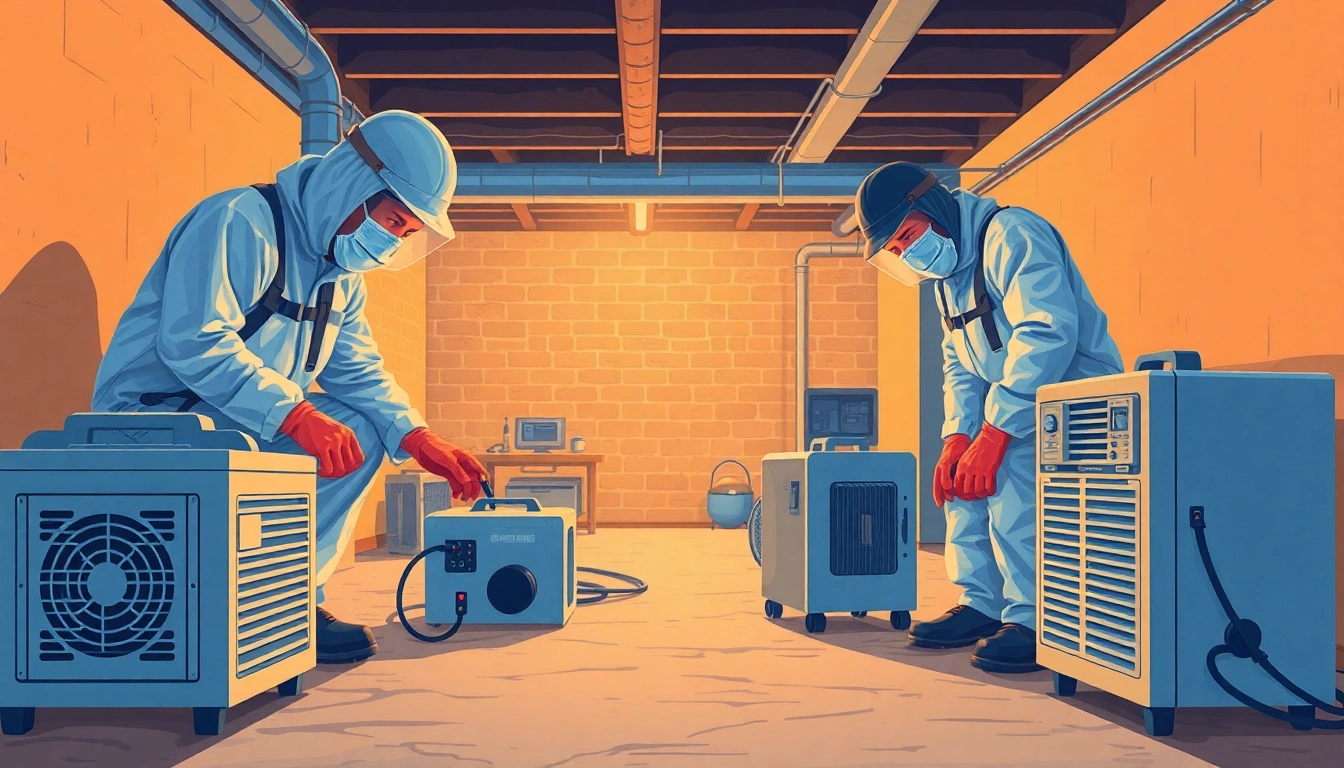
- Dehumidifiers: Utilizing these devices can help maintain optimal humidity levels, reducing the risk of mold growth.
Implementing these moisture control strategies can dramatically enhance the conditions in the crawl space.
Structural Repairs and Reinforcements
Once moisture and pest issues are addressed, the next step is to assess the structural integrity of the crawl space. This involves:
- Identifying and repairing any damaged beams or joists.
- Adding supplemental support if necessary.
- Using corrosion-resistant materials to handle moisture-laden environments.
Working with a structural engineer may be advisable for extensive damage to ensure proper reinforcement techniques are utilized.
Maintenance Tips for Lasting Crawl Space Health
Regular Inspections
Ongoing hazard assessments play a pivotal role in maintaining a healthy crawl space environment. Being vigilant about inspections can prevent significant issues from escalating. Homeowners should aim for bi-annual check-ups at a minimum, ideally coinciding with seasonal changes.
Controlling Humidity Levels
Humidity levels should ideally remain below 60%. Employing measures like dehumidifiers and regularly checking for leaks can help maintain appropriate conditions. Utilizing hygrometers can also assist homeowners in monitoring moisture levels effectively.
Professional Services for Deep Restoration
For severe cases that may involve extensive renovations, consulting with professional restoration services is recommended. These experts have the tools, knowledge, and experience to address complex issues and ensure a sustainable outcome.
Frequently Asked Questions
How often should I perform crawl space restoration?
It is recommended to inspect and potentially restore your crawl space every 3-5 years, depending on conditions and environmental factors.
What are the costs associated with crawl space restoration?
Costs can vary widely based on the extent of damage and repairs needed, often ranging from $1,500 to $15,000.
Can I manage crawl space moisture myself?
While homeowners can take initial steps like ventilating and using dehumidifiers, professional assessment is often recommended for thorough restoration.
What should I look for during a crawl space inspection?
Signs of water damage, mold growth, and structural integrity issues are critical indicators to watch for during an inspection.
How does crawl space restoration benefit my home?
Crawl space restoration helps prevent structural damage, improves air quality, and enhances energy efficiency in your home.