
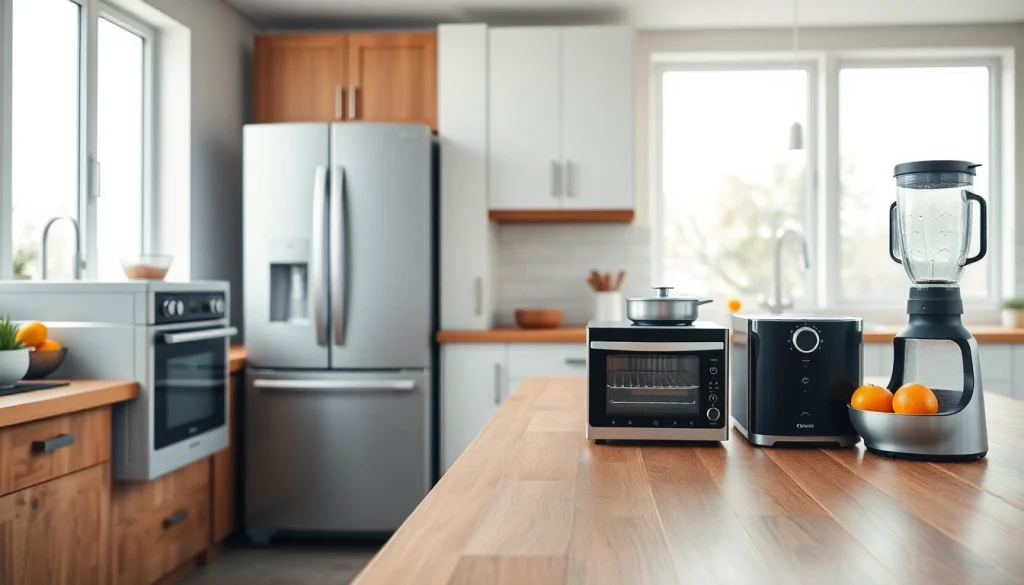
Understanding the Importance of Home Appliances
Home appliances play a pivotal role in simplifying our daily lives, allowing us to manage household chores with ease and efficiency. They provide comfort, save time, and enhance productivity, contributing to the overall quality of life. They come in various forms, from essential kitchen equipment like refrigerators and microwaves to advanced smart devices designed to integrate with modern technology. Recognizing the significance of home appliances can help homeowners make informed decisions about their needs and preferences.
Defining Home Appliances and Their Roles
Home appliances are devices used in homes to perform specific tasks, enhancing daily living through automation. They can be categorized into two main types: major and minor appliances. Major appliances, such as refrigerators, washers, and dryers, are essential for day-to-day functioning, while minor appliances include items like toasters, coffee makers, and blenders that add convenience.
The primary role of home appliances is to reduce manual effort in household chores. For example, washing machines save time and effort compared to hand washing, and dishwashers provide a reliable solution for cleaning dishes. These appliances ultimately promote a more organized and efficient home environment.
How Home Appliances Improve Daily Life
Home appliances transform routine tasks into less time-consuming activities, allowing individuals to focus on other important aspects of life. They enhance efficiency; for instance, using a microwave oven speeds up cooking processes, freeing up time for family interaction or personal care. Moreover, appliances such as air purifiers contribute to better indoor air quality, promoting health and well-being.
Additionally, the innovation in home appliances gives users greater control over their living environments. Smart appliances allow homeowners to program their devices remotely, monitor energy use, and improve convenience. These aspects lead to a better overall lifestyle, as people can dedicate more time to leisure and family rather than tedious chores.
Energy Efficiency and Sustainability in Home Appliances
Energy efficiency has become a critical consideration for consumers due to rising energy costs and environmental concerns. Energy-efficient home appliances consume less electricity, reducing both utility bills and carbon footprints. Appliances that meet Energy Star standards use significantly less energy than standard models, making them more sustainable options.
Moreover, sustainable home appliances are designed for easy recycling and are often made from less harmful materials. For instance, eco-friendly refrigerators use natural refrigerants, which reduce the impact on the ozone layer. Making informed choices about home appliances not only contributes to lower energy consumption but also supports global sustainability efforts.
Types of Home Appliances: A Comprehensive Guide
Essentials: Kitchen Appliances Overview
Kitchen appliances are the backbone of modern cooking and food preparation. Essential appliances such as refrigerators, ovens, and dishwashers work in unison to provide a seamless cooking experience.
- Refrigerators: These are vital for preserving food freshness and preventing spoilage. Today’s refrigerators come in various styles, such as side-by-side, French door, and top freezer models, offering diverse features like ice makers and smart controls.
- Ovens and Ranges: Ranges combine ovens and cooktops, allowing for versatile cooking options. They may be powered by electricity or gas, and many feature convection technology for even cooking.
- Dishwashers: Dishwashers save time and effort in cleaning up after meals. Modern models are designed to be quiet and energy-efficient, ensuring that households can run them even during off-peak hours.
The right assortment of kitchen appliances transforms cooking from a chore into an enjoyable experience. Their design and functionality have a direct impact on meal preparation efficiency and taste quality.
Maintenance-Free Appliances: Trends and Options
As technology advances, the trend toward maintenance-free appliances is gaining popularity. These appliances offer convenience through features designed to minimize user intervention.
- Self-Cleaning Ovens: More homeowners are choosing self-cleaning ovens that eliminate the need for manual scrubbing, using high temperatures to turn food spills into ash.
- Smart Dishwashers: Many modern dishwashers include self-cleaning filters and diagnostic alerts, ensuring optimal performance without frequent maintenance.
- Induction Cooktops: These are efficient and easy to clean, as spills do not burn onto the surface, unlike traditional gas or electric cooktops.
Adopting maintenance-free appliances can save time and effort, allowing households to focus on enjoying the benefits they provide.
Innovative Home Appliances for Smart Living
Innovative home appliances are at the forefront of smart living, seamlessly integrating into the connected homes of today. These appliances utilize Wi-Fi connectivity to provide enhanced features.
- Smart Refrigerators: Equipped with touchscreens, these refrigerators can keep track of expiration dates, suggest recipes, and even allow users to order groceries online.
- Voice-Controlled Assistants: Appliances integrated with voice control enable hands-free operation, making it easier to manage tasks while multitasking.
- Smart Thermostats: These devices learn user preferences and adjust heating and cooling automatically, optimizing comfort while saving energy.
The shift towards smart home appliances represents a significant leap in convenience and personalization, offering homeowners enhanced control over their living spaces.
Choosing the Right Home Appliances for Your Needs
Assessing Your Lifestyle and Space Requirements
Choosing the right home appliances begins with assessing your lifestyle and space requirements. Analyzing personal needs, cooking habits, and available space helps narrow down which appliances to prioritize. For instance, families with children might invest in larger refrigerators and more durable dishwashers, while singles or couples might find compact appliances sufficient.
Measuring available space is crucial. Appliances must fit comfortably in kitchens without hindering movement. Considerations such as door swing space and clearance around appliances are vital for functionality.
Budgeting for Quality Home Appliances
Budgeting plays a significant role in selecting home appliances. While it might be tempting to opt for lower-cost options, investing in quality appliances often pays off in terms of durability and efficiency. Create a budget that allocates funds for essential appliances first, then consider additional features and upgrades.
Research available options thoroughly to find appliances that balance performance and cost. Look for sales, discounts, and warranties that can protect your investment and help manage costs over time.
Comparing Features and Specifications
When choosing home appliances, comparing features and specifications ensures you select the best option for your needs. Pay attention to aspects such as energy efficiency ratings, capacity, and unique features.
- Energy Ratings: Understanding models’ Energy Star ratings can guide efficiency-based decisions, directly influencing energy bills.
- Warranty Terms: Look for appliances with robust warranties that offer repair or replacement coverage, which can help in the long run.
- User Reviews: Research user feedback to understand performance, reliability, and usability in real-world settings.
Conducting thorough comparisons among models promotes informed purchasing decisions, ensuring satisfaction with your choices.
Installation and Maintenance of Home Appliances
Safe Installation Practices
Safe installation is paramount to ensure the longevity of home appliances and prevent hazards. Always follow manufacturer’s guidelines for specific instructions tailored to each appliance. This can include proper electrical requirements, spacing, and leveling necessary for optimal performance.
When required, hire professional installers for complex appliances such as gas stoves or integrated systems. Their expertise can prevent potential issues resulting from improper setup.
Regular Maintenance Tips for Longevity
Regular maintenance is essential for extending the life of home appliances and optimizing their performance. Follow these tips for effective upkeep:
- Clean filters and vents periodically to ensure proper airflow.
- Inspect hoses and connections for leaks or wear and replace as needed.
- Schedule routine professional servicing for intricate appliances like HVAC systems.
Adopting a proactive approach to maintenance saves money over time and promotes efficiency in household operations.
Common Troubleshooting Techniques
Understanding basic troubleshooting techniques can alleviate minor appliance issues without requiring professional service. Here are some common problems and solutions:
- Appliances Not Starting: Check if they are plugged in, ensure circuit breakers haven’t tripped, and inspect settings.
- Strange Noises: These may indicate blockages or loose components; regular cleaning and maintenance can often resolve this.
- Uneven Heating: For Ovens and cooktops, ensure the heating elements are functioning correctly and clean any debris affecting performance.
Familiarizing yourself with troubleshooting steps empowers you to maintain appliances efficiently, addressing issues as they arise.
Future of Home Appliances: Trends to Watch
Technological Innovations in Home Appliances
The future of home appliances lies in continuous technological innovations aimed at enhancing convenience and efficiency. As smart technologies proliferate, expect features like remote access, AI-driven functionalities, and personalized settings becoming standard.
New technologies, such as augmented reality (AR), may learn user preferences and suggest tailored usage patterns to optimize efficiency and save energy.
Smart Home Integration and Automation
Smart home integration is set to reshape how we interact with home appliances. As devices connect through the Internet of Things (IoT), homeowners will gain the ability to control all appliances from a single platform, such as a smartphone or specialized home control system.
This integration will allow for seamless automation, where devices communicate with each other—consider an oven that preheats as your refrigerator alerts you about meal prep. Such synergies will not only simplify daily tasks but also increase energy efficiency.
Eco-Friendly Appliances: What to Expect
The shift towards eco-friendly appliances will continue to gain traction, driven by consumer demand and environmental regulations. Expect to see an increase in products designed with sustainable materials and technologies that minimize energy consumption and waste.
Features such as self-adjusting energy use based on user patterns and appliance recycling initiatives will also define the eco-friendly appliance movement.
Frequently Asked Questions
1. What are home appliances?
Home appliances are devices used in households to perform various tasks such as cooking, cleaning, and food storage, enhancing daily living through automation.
2. How do I choose the right appliances?
Assess your lifestyle, budget, and space requirements before comparing features and specifications of different models to find the best fit.
3. What is energy efficiency in home appliances?
Energy efficiency denotes how well an appliance uses energy to perform its tasks, often indicated by Energy Star ratings, leading to lower utility bills.
4. How can I maintain my home appliances?
Regular maintenance includes cleaning filters, checking connections, and scheduling professional servicing to ensure optimal performance and longevity.
5. What are the benefits of smart appliances?
Smart appliances offer convenience through remote access, automation, and energy management, improving the overall efficiency of household tasks.