
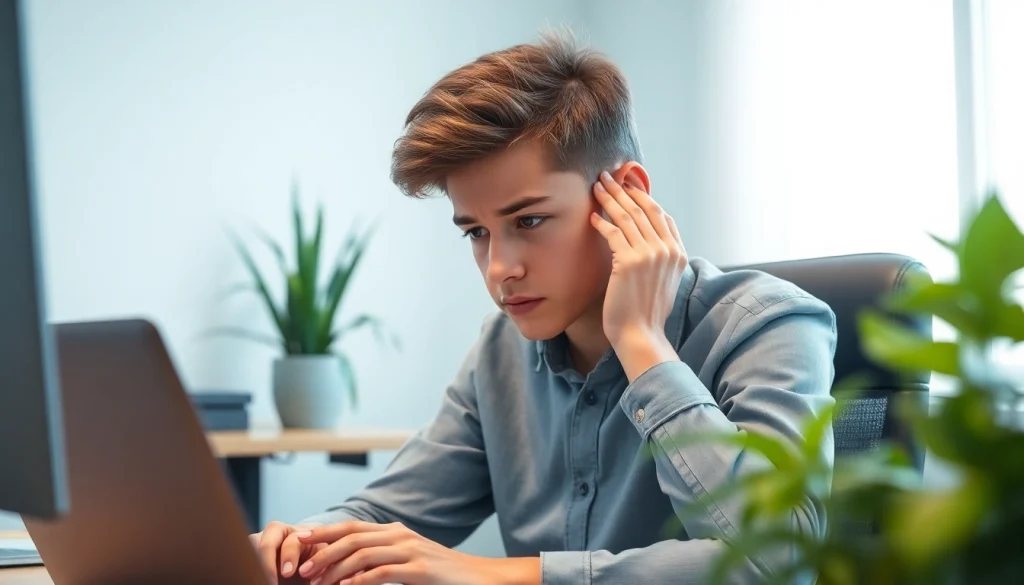
What Are Anxiety Symptoms?
Defining Anxiety and Its Importance
Anxiety is a natural response to stress or fear, functioning as an essential mechanism for survival. While it’s normal to feel anxious in challenging situations, such as public speaking or taking an exam, persistent anxiety can disrupt daily life. Understanding anxiety symptoms is vital for individuals to recognize when their emotions may signal a more serious issue, leading to effective management strategies.
Common Anxiety Symptoms Explained
Anxiety manifests in various forms, each exhibiting unique symptoms. Common anxiety symptoms can include:
- Excessive Worry: Continuous worrying about everyday issues that is disproportionate to the actual event.
- Restlessness: An inability to relax or sit still, feeling on edge.
- Fatigue: Persistent tiredness despite adequate rest due to constant mental strain.
- Difficulty Concentrating: Trouble focusing on tasks or experiencing a mind that goes blank.
- Sleep Disturbances: Insomnia or irregular sleep patterns caused by racing thoughts or worries.
- Physical Symptoms: Such as rapid heartbeat, sweating, trembling, nausea, or headaches.
Understanding the Physical and Emotional Impact
The impact of anxiety extends beyond mental discomfort and can lead to significant physical health issues. Chronic anxiety may result in heightened blood pressure, increased risk of heart disease, and weakened immune function. Emotionally, individuals may feel isolated, leading to a potential decline in overall mood and life satisfaction. Understanding these effects helps in taking proactive steps toward addressing anxiety effectively.
Identifying Anxiety Symptoms in Yourself and Others
Signs to Look For
Recognizing anxiety symptoms in oneself can be daunting. Key indicators include strange behaviors, avoidance of social situations, or changes in eating and sleeping patterns. In others, one might observe excessive worry or tension, irritability, or unusual withdrawal from friends and family. Paying attention to these signs is the first step toward seeking help.
Personal Experiences and Anecdotes
Many individuals find it challenging to acknowledge their anxiety, often attributing symptoms to stress or overwhelm. Personal experiences highlight the importance of sharing these challenges. One individual described how their anxiety often manifested as panic attacks during social settings, prompting a realization of the need for professional support. Stories like theirs can provide encouragement and normalize the conversation around mental health.
When to Seek Professional Help
It’s crucial to understand that seeking professional help is a strength, not a weakness. A good rule of thumb is to seek help if anxiety symptoms interfere with work, relationships, or daily activities. Ideally, anyone experiencing distressing symptoms for an extended period should reach out to a mental health professional for assessment and support.
Coping Strategies for Managing Anxiety Symptoms
Effective Breathing Techniques
Breathing techniques can significantly alleviate anxiety symptoms. One effective method is the 4-7-8 technique, which consists of inhaling for four seconds, holding for seven seconds, and exhaling slowly over eight seconds. This method promotes relaxation and helps to center the mind, making it easier to manage anxiety in the moment.
Mindfulness and Relaxation Practices
Mindfulness practices, such as yoga and meditation, foster a greater awareness of the present moment. They can help individuals break the cycle of anxious thoughts and promote a sense of calm. Regular engagement in these practices can enhance resilience against anxiety triggers and improve overall mental well-being.
Social Support and Its Importance
Maintaining a supportive social network is essential for managing anxiety. Family and friends can provide reassurance, understand challenges, and offer encouragement. Engaging with support groups can also connect individuals with others who have similar experiences, offering a safe space to share and learn coping strategies.
Long-Term Solutions for Anxiety Symptoms
Cognitive Behavioral Therapy Techniques
Cognitive Behavioral Therapy (CBT) is one of the most researched forms of therapy for anxiety. It focuses on identifying negative thought patterns and replacing them with healthier ones. Techniques such as journaling one’s thoughts or exposure therapy can be particularly effective in treating anxiety symptoms over time.
Medication: Pros and Cons
Medication can offer relief for individuals suffering from severe anxiety symptoms. Common classes of medication include SSRIs and benzodiazepines. While they can effectively alleviate symptoms, it’s essential to discuss potential side effects and the duration of use with a healthcare provider to determine the best course of action.
Lifestyle Changes to Reduce Anxiety
Incorporating lifestyle changes, such as regular exercise, a balanced diet, and proper sleep hygiene, plays a crucial role in reducing anxiety symptoms. A well-rounded routine not only enhances physical well-being but also supports mental health, making the individual more resilient to anxiety triggers.
Frequently Asked Questions About Anxiety Symptoms
What are the most common anxiety symptoms?
Common symptoms include excessive worrying, restlessness, fatigue, difficulty concentrating, sleep disturbances, and physical symptoms like rapid heartbeat or sweating.
How can I tell if my anxiety symptoms require professional help?
If your anxiety interferes with daily activities, relationships, or work and persists over time, it’s advisable to consult a mental health professional.
Are anxiety symptoms different for everyone?
Yes, anxiety symptoms can vary significantly from person to person. Each individual may experience a different combination of symptoms based on various factors.
What lifestyle changes can help reduce anxiety symptoms?
Regular physical activity, a healthy diet, sufficient sleep, and mindfulness practices can significantly reduce anxiety symptoms and enhance overall well-being.
Can coping strategies change over time?
Absolutely. As individuals grow and their coping mechanisms evolve, they may find new strategies that work better for them in managing anxiety symptoms.