
DIP switches are widely used in electronic devices and control systems to configure settings, select operating modes, and customize functionality. Despite the growth of software-based configuration methods, DIP switch technology remains a reliable and cost-effective solution for many electronic and industrial applications.
Found in communication equipment, control panels, security systems, and electronic devices, DIP switches provide users with a simple way to adjust system settings without requiring specialized tools or software. Understanding how toggle switches work can help beginners appreciate their importance in modern electronics.
What Is a DIP Switch?
A DIP (Dual In-Line Package) switch is a manual electrical switch packaged in a standard dual in-line format. It consists of a series of small switches that can be turned on or off individually to create different configuration settings.
Each switch represents a binary value, allowing users to control various functions within an electronic system. DIP switches are often mounted directly onto printed circuit boards (PCBs) and are commonly used for hardware-based configuration.
The Growing Importance of DIP Switch Technology
Although digital interfaces have become more common, DIP switches continue to be valued for their simplicity and reliability. They allow equipment manufacturers and technicians to configure devices quickly without relying on software updates or external programming tools.
In many industrial and commercial environments, DIP switches remain a practical solution for setting device parameters and maintaining operational flexibility.
Benefits of DIP Switches
Easy Configuration
DIP switches allow users to modify settings directly on the device, making system configuration simple and convenient.
Reliable Operation
Because they use a mechanical switching mechanism, DIP switches provide dependable performance and long-term reliability.
Cost-Effective Solution
DIP switches offer an affordable method for configuring electronic devices without requiring complex software systems.
Compact Design
Their small size allows them to fit easily into electronic equipment where space may be limited.
Flexible Functionality
Multiple switch positions enable a wide range of configuration options for different applications.
Low Maintenance Requirements
Once configured, DIP switches typically require minimal maintenance while continuing to provide reliable operation.
Common Applications of DIP Switches
DIP switches are commonly used in:
-
Industrial control systems
-
Communication equipment
-
Security systems
-
Network devices
-
Consumer electronics
-
Medical equipment
-
Automation systems
-
Electronic testing equipment
Their versatility makes them suitable for both simple and complex electronic applications.
The Role of Toggle Switches and Fuse Holder Components
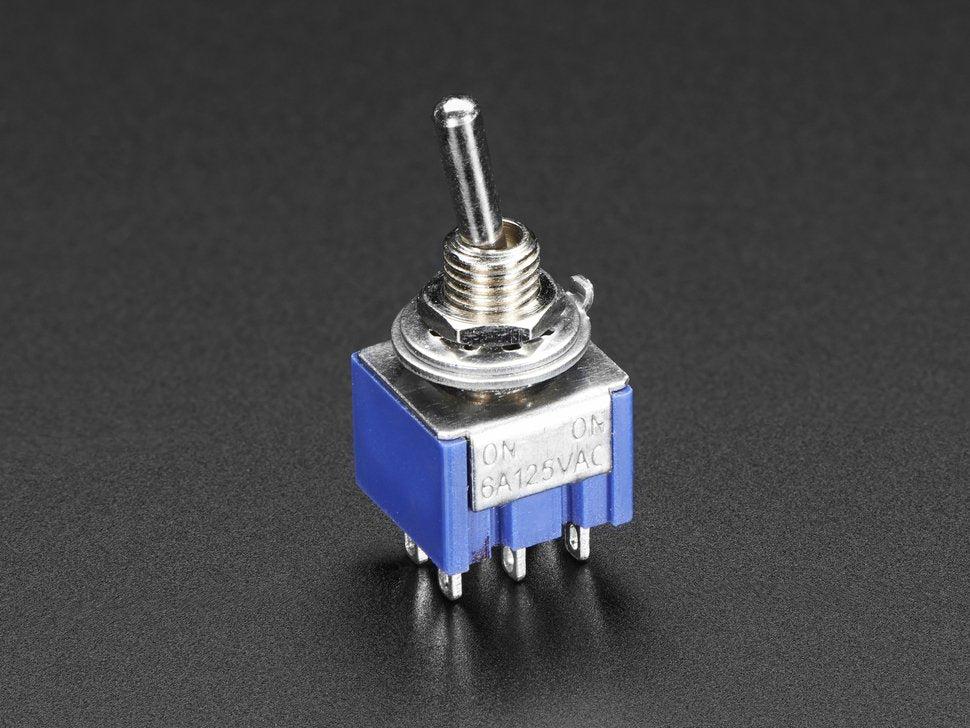
While DIP switches are primarily used for configuration purposes, other electrical components also contribute to system functionality and safety. Toggle switches are commonly used to manually control power and operational functions in electrical equipment and industrial systems.
A fuse holder plays an equally important role by securely housing fuses that protect electrical circuits from overloads and short circuits. Together, DIP switches, toggle switches, and fuse holder components help create reliable and efficient electrical systems.
Choosing the Right DIP Switch
When selecting a DIP switch, factors such as the number of switch positions, mounting style, operating environment, durability, and application requirements should be considered. Choosing the appropriate switch helps ensure reliable configuration and long-term performance.
It is also beneficial to evaluate complementary components such as toggle switches and fuse holder solutions to support overall system reliability and protection.
Conclusion
DIP switch technology continues to play an important role in electronic and industrial applications by providing a simple, reliable, and cost-effective method for hardware configuration. Their ease of use and dependable performance make them a valuable component in a wide range of devices and systems.
When combined with essential components such as toggle switches and fuse holder products, DIP switches contribute to improved functionality, operational flexibility, and electrical system reliability. As technology continues to evolve, DIP switches remain a practical solution for many configuration and control applications.