
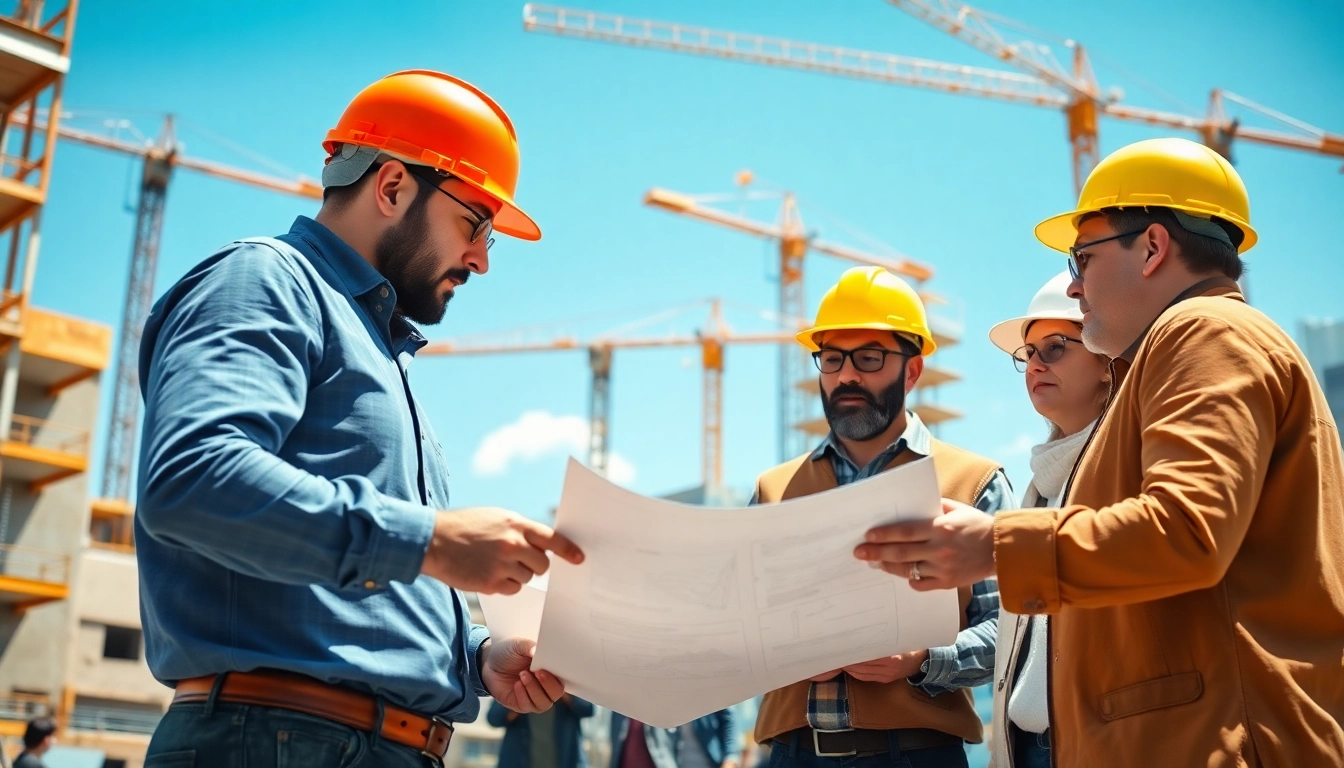
Understanding Construction Advocacy
What is Construction Advocacy?
Construction advocacy refers to the efforts made by individuals, organizations, and stakeholders to promote policies, practices, and regulations that support the construction industry. It encompasses a wide range of activities, including lobbying for favorable legislation, engaging with community stakeholders, and ensuring that the voices of those in the construction sector are heard in decision-making processes. This advocacy is crucial for highlighting the industry’s essential contributions to economic growth, job creation, and infrastructure development.
The Importance of Construction Advocacy
The significance of construction advocacy lies in its ability to influence policies that affect the construction industry at local, state, and national levels. By engaging in advocacy, stakeholders can address issues such as regulatory compliance, funding for public projects, and workforce development. Effective advocacy ensures that the construction sector remains competitive and can respond to emerging challenges, such as sustainability and technological advancements.
Key Stakeholders in Construction Advocacy
Various groups contribute to construction advocacy, each with unique perspectives and interests. These include:
- Construction Companies: They advocate for fair regulations, funding opportunities, and training programs.
- Trade Associations: These organizations represent the collective interests of industry members, working to influence legislation and standards.
- Labor Unions: They focus on workers’ rights and safety standards, advocating for policies that protect labor interests.
- Local Communities: Community members often advocate for construction that meets their needs, balancing development with environmental and social concerns.
- Government Agencies: Regulatory bodies engage in advocacy to foster safe and sustainable construction practices.
Challenges in Construction Advocacy
Common Obstacles to Advocacy Success
Despite its importance, construction advocacy faces significant challenges. Common obstacles include public misconceptions about the construction industry, complex regulations, and a lack of engagement from key stakeholders. Misunderstandings can result in community resistance to new projects, while regulatory hurdles can delay or derail initiatives. Furthermore, insufficient funding for advocacy efforts can lead to limited outreach and ineffective messaging.
Overcoming Community Resistance
Community resistance often stems from fears related to environmental impact, disruption of local life, or safety concerns. To overcome this, construction advocates must engage with community members early in the process. Conducting informational sessions, addressing concerns openly, and providing clear, transparent communication can help build trust and mitigate opposition. Strategies such as community workshops and public forums can facilitate dialogue, allowing advocates to demonstrate the benefits of proposed construction projects.
Legal and Regulatory Hurdles
Navigating the legal landscape is a complex aspect of construction advocacy. Legal challenges can arise from zoning laws, environmental regulations, and compliance requirements. It is essential for advocates to stay informed about these regulations; they can do this by collaborating with legal experts and utilizing resources available from trade organizations. Developing a clear understanding of local, state, and federal laws can help advocates formulate strategies to overcome these challenges effectively.
Best Practices for Effective Advocacy
Building Relationships with Stakeholders
Building and maintaining strong relationships with stakeholders is fundamental to successful construction advocacy. Networking with local leaders, government officials, and community organizations can lead to collaborative efforts that benefit the construction industry. By establishing trust and credibility, advocates can foster partnerships and create a unified voice that amplifies their message. Regular communication and engagement initiatives, such as newsletters or advocacy events, can strengthen these relationships over time.
Utilizing Social Media for Advocacy
Social media platforms provide powerful tools for construction advocacy. They enable advocates to reach a broader audience quickly, share success stories, and counter misinformation. Developing a comprehensive social media strategy that highlights the positive impacts of construction projects can help engage the community and rally support. Regular posts, live streams, and interactive content can spark conversations and encourage community participation in advocacy efforts.
Crafting a Clear Message
A compelling message is crucial for effective advocacy. Advocates should articulate the benefits of construction projects, such as job creation, infrastructure improvements, and economic growth. Tailoring the message to resonate with the target audience helps ensure its effectiveness. Utilizing data, visuals, and testimonials can further strengthen the message and make it more engaging. Consistency in messaging across all platforms is also important to reinforce key points and foster recognition.
Case Studies in Successful Construction Advocacy
Local Government Initiatives
In many instances, local government initiatives have proven to be successful in promoting construction advocacy. Examples include public-private partnerships that enable funding for essential infrastructure projects. These initiatives often bring together stakeholders with varied interests to create win-win situations, such as improved roads and bridges that enhance community connectivity while also supporting local businesses.
Successful Non-Profit Strategies
Non-profit organizations have been instrumental in advocating for construction projects that prioritize community needs. One notable strategy is leveraging community engagement to ensure that projects meet the residents’ aspirations. Non-profits can facilitate community assessments to gather input on construction initiatives, ensuring alignment with local values and interests. This participatory approach not only garners support but also empowers community members in the decision-making process.
Industry-Wide Collaborations
Collaborations across the industry can magnify the impact of advocacy efforts. When different stakeholders—such as construction firms, labor unions, and trade associations—form coalitions, they can collectively address challenges and promote shared goals. For example, joint advocacy campaigns can successfully address regulatory changes, advocate for workforce training, and promote industry-wide best practices, thereby enhancing the overall effectiveness of their efforts.
Measuring the Impact of Construction Advocacy
Metrics for Success in Advocacy Efforts
Measuring the effectiveness of construction advocacy is essential for understanding its impact and making necessary adjustments. Relevant metrics include the number of stakeholder engagements, changes in community sentiment, legislative outcomes, and funding acquired for projects. Tracking these data points can provide insights into the effectiveness of strategies employed and help formulate future advocacy initiatives.
Feedback Mechanisms and Continuous Improvement
Establishing feedback mechanisms enables advocates to gather insights from stakeholders and the community. Surveys, focus groups, and public meetings are excellent tools for collecting feedback on advocacy efforts and identifying areas for improvement. Utilizing this input can lead to continuous refinement of strategies and increase the overall effectiveness of construction advocacy efforts.
Long-Term Sustainability and Impact
For construction advocacy to have a lasting impact, it must be grounded in sustainability. This entails not only securing short-term victories but also fostering long-term relationships and community partnerships. Advocates should focus on embedding advocacy efforts within local culture, ensuring that they remain a priority for stakeholders and community members. By cultivating a strong advocacy foundation, the construction sector can continue to flourish and address ongoing challenges.
Frequently Asked Questions
What is the primary goal of construction advocacy?
The primary goal of construction advocacy is to promote policies and regulations that support the construction industry, ensuring its growth and sustainability while addressing community needs.
Who are the main stakeholders in construction advocacy?
Key stakeholders in construction advocacy include construction companies, trade associations, labor unions, local communities, and government agencies, each representing unique interests.
How can communities engage in construction advocacy?
Communities can engage by attending public meetings, participating in workshops, or joining local advocacy organizations to voice their concerns and interests regarding construction projects.
What role does social media play in construction advocacy?
Social media allows advocates to quickly share information, engage with stakeholders and the public, counter misinformation, and mobilize grassroots support for construction initiatives.
How do advocacy efforts impact local construction projects?
Advocacy efforts can significantly influence local construction projects by shaping public opinion, securing funding, and ensuring that community needs are met in project planning and execution.