
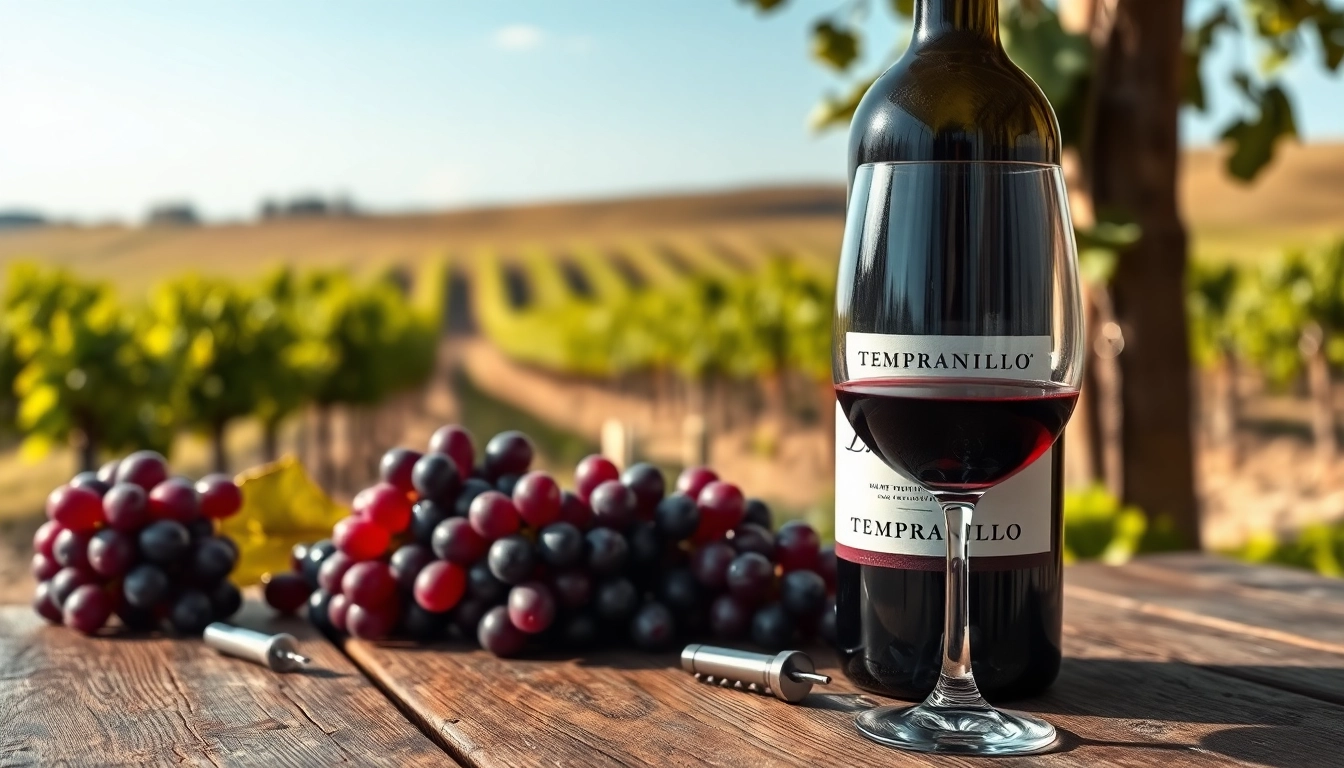
Introduction to Tempranillo
Tempranillo is often hailed as the backbone of Spanish wine, playing a critical role in a multitude of Spain’s most celebrated wine regions. This versatile red grape, whose name derives from the Spanish word “temprano,” meaning early, refers to the grape’s propensity to ripen earlier than others. As a wine lover, exploring Tempranillo can lead to an enriching journey through flavors, history, and culinary pairings. For more information about Tempranillo, Tempranillo has much to offer.
Historical Background
Tempranillo has deep roots in the Iberian Peninsula, with its cultivation believed to date back thousands of years. Historical documents suggest that this grape variety was cultivated by the ancient Romans, who recognized its potential long before its modern acclaim. In the late 20th century, Tempranillo began to gain recognition outside Spain, leading to a renaissance of wine production in regions such as Rioja and Ribera del Duero.
Geographic Distribution
While Tempranillo is synonymous with Spain, its geographic distribution extends to various countries. It thrives primarily in the regions of Rioja, Ribera del Duero, and Rueda, where diverse climates and soil types accentuate its flavor profile. In addition to Spain, countries like Portugal—where it is known as Tinta Roriz—and Argentina have embraced Tempranillo cultivation, creating wines that express local terroirs.
Flavor Profile of Tempranillo
The flavor profile of Tempranillo is as varied as the regions it hails from. Typically, wines made from this grape exhibit rich cherry and plum flavors, complemented by earthy undertones, leather, and sometimes a hint of tobacco. The tannins in Tempranillo can range from soft to robust, depending on the winemaking techniques employed. Aging in oak barrels often enhances the color and adds vanilla, spice, and herbal notes, creating a complex symphony of flavors.
Growing Tempranillo Grapes
Soil Requirements
Tempranillo prefers well-drained, fertile soils, often thriving in clay, limestone, and granite. These soils allow for the ideal drainage and aeration needed for root development. Regions with a high limestone content, such as those in Rioja, often yield wines with a vibrant acidity and enhanced fruity characteristics. Proper soil management, including the use of organic matter, can significantly influence grape quality and yield.
Climate Considerations
Climate plays a pivotal role in the growth of Tempranillo grapes. The grape thrives in a Mediterranean climate with hot summers and mild winters. Regions that experience a significant temperature variation between day and night are particularly beneficial, as this helps to retain acidity while allowing the sugars to develop fully. Irrigation management is also crucial, as stressed vines often yield grapes with more concentrated flavors.
Pruning and Maintenance
To ensure healthy growth and optimal grape quality, routine pruning is imperative. This process helps control yield and promotes the development of quality fruit. Pruners typically aim to maintain a balanced canopy for sunlight exposure while managing vine vigor. Integrated pest management (IPM) techniques are recommended to minimize disease risks and ensure the vitality of the vineyard.
Winemaking Techniques for Tempranillo
Harvesting Time
Harvesting Tempranillo at the right time is crucial for flavor development. Grapes should be picked when they have reached optimal ripeness, usually indicated by a balance of sugar, acidity, and tannin structure. Depending on the region and climate conditions, this can vary but typically occurs between late September and early October. Handpicking is preferred to ensure that only the best fruit is selected.
Fermentation Processes
After harvesting, Tempranillo undergoes fermentation, where sugars are converted into alcohol. This process can be managed using various methods, including traditional open fermentation or modern technology. Many winemakers prefer to use stainless steel tanks to retain the fresh fruit characteristics, while some may opt for oak fermentation, which can impart additional flavors and tannin structure to the wine.
Aging Options
Aging is a critical step in the winemaking process for Tempranillo. The choice of aging vessel—whether oak barrels or stainless steel—significantly impacts the final product. Oak aging can introduce complex flavors and aromas, enhancing the wine’s profile over time. The duration of aging can vary; while younger Tempranillo feels fruit-forward, aged varieties provide depth and sophistication, with some wines capable of aging for decades.
Pairing Tempranillo with Food
Complementary Dishes
The versatility of Tempranillo makes it an excellent companion for a wide array of dishes. Its structure pairs wonderfully with grilled meats, such as lamb or beef, as well as rich pasta dishes like lasagna. The wine’s acidity and tannin content complement the fat in the meat, while its fruitiness can soften spicy or earthy flavors found in different cuisines, including Spanish tapas and Italian fare.
Serving Temperature
For the best experience, serve Tempranillo at a slightly cooler room temperature, ideally between 60-65°F. This temperature range allows the wine’s complex aromas to emerge while ensuring that the flavors are balanced, enhancing the overall enjoyment. Utilizing proper glassware can also elevate the tasting experience, helping to concentrate the aromas.
Creating a Tempranillo Tasting Menu
When hosting a Tempranillo tasting, a well-organized menu can heighten the experience. Start with lighter dishes, such as charcuterie or cheese platters, that showcase the wine’s fruitiness. Follow with heartier options like grilled vegetables or lamb, allowing the wine’s structure to shine. Finally, include dessert options that pair well with the wine’s deeper fruit notes, such as dark chocolate or berry tarts, rounding out the tasting experience.
FAQs about Tempranillo
What is the best food pairing for Tempranillo?
Tempranillo pairs excellently with grilled meats, rich pasta dishes, and sharp cheeses, enhancing the meal’s flavors.
How should Tempranillo be served?
Serve Tempranillo at a slightly cooler room temperature, around 60-65°F for optimal flavor release.
Is Tempranillo sweet or dry?
Tempranillo is predominantly dry, showcasing fruit and earthy notes that make it versatile for various pairings.
What countries grow Tempranillo grapes?
Primarily associated with Spain, Tempranillo is also cultivated in Portugal, Argentina, and even parts of the United States.
How long can Tempranillo wine be aged?
Tempranillo can be aged for several years, with some premium bottles developing well over decades, enhancing complexity and depth.